1. The Strategic Imperative: Why Modern Fashion Logistics Demands an Apparel Warehouse Mezzanine System
In the hyper-competitive global fashion and e-commerce distribution ecosystem, warehouse operators face intense structural bottlenecks: skyrocketing industrial real estate rental costs, massive SKU proliferation caused by seasonal fashion cycles, complex Garment-on-Hanger (GOH) vs. flat-packed box inventory splits, and demanding order-fulfillment SLAs. Expanding outward by leasing additional floor space often erodes operating margins. The strategic solution lies in structural vertical expansion using a custom-engineered Apparel Warehouse Mezzanine System.
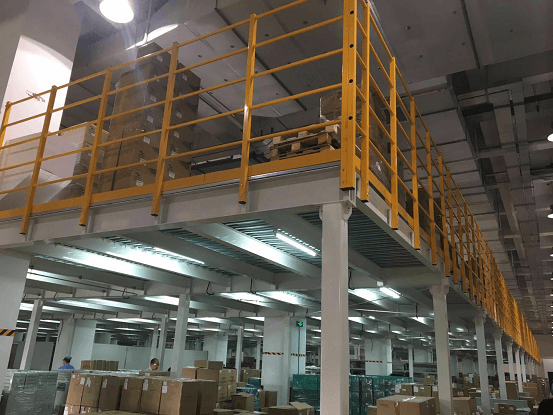
Manufactured by ApexDrive Industrial Racking Co., Ltd., an Apparel Warehouse Mezzanine System transforms single-level clear airspace into a multi-tiered, high-throughput fulfillment center. By utilizing heavy-duty roll-formed steel uprights or structural I-beams to support overhead floor levels (2-tier, 3-tier, or 4-tier configurations), apparel logistics managers double or triple usable floor square footage within the exact same building footprint. This structural leap reduces total cost of ownership (TCO), accelerates item-level bin picking, shortens travel distance for order pickers, and seamlessly integrates overhead garment conveyancing.
2. System Architecture & Product Recommendations for Fashion Fulfillment
Every fashion retail brand and 3PL hub operates with unique handling characteristics. ApexDrive Industrial Racking Co., Ltd. designs and fabricates four distinct structural mezzanine variants customized for apparel storage density and throughput velocity:
 High SKU Density
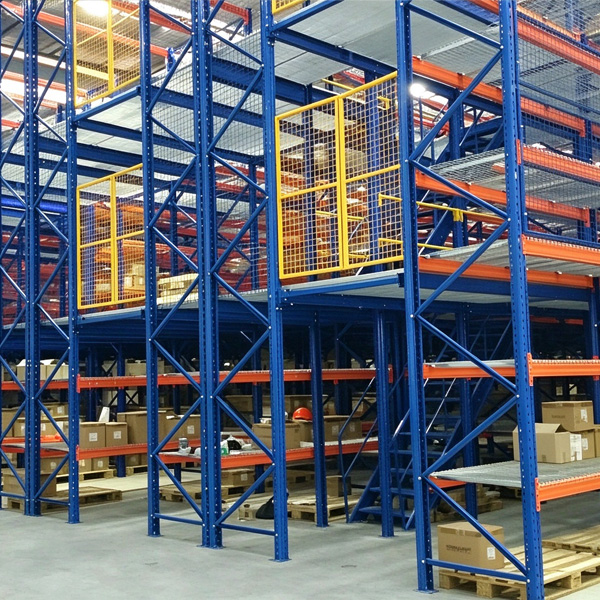
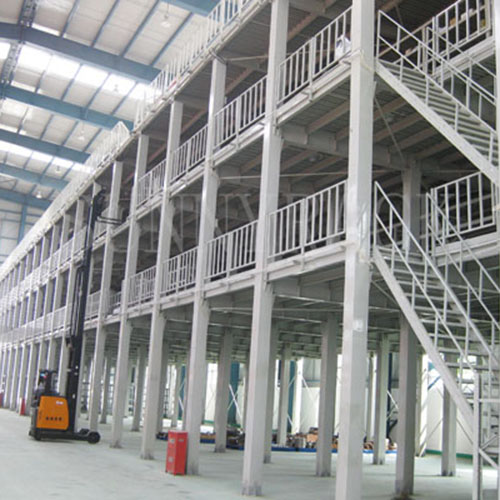
 Rack-Supported Multi-Tier Apparel Mezzanine
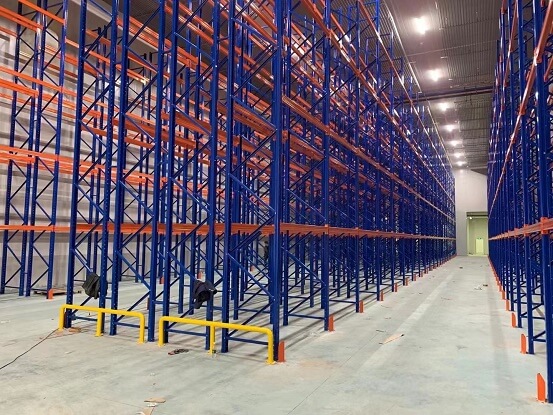
Utilizes medium-duty or heavy-duty racking frames as structural support columns for upper picking walkways. Ideal for high-density boxed inventory, shoe cartons, folded apparel, and small bin storage.
- 200 - 800 kg/m² floor load
- Integrates shelving & aisles
- Cost-effective structural footprint
 Open Deck Flexibility
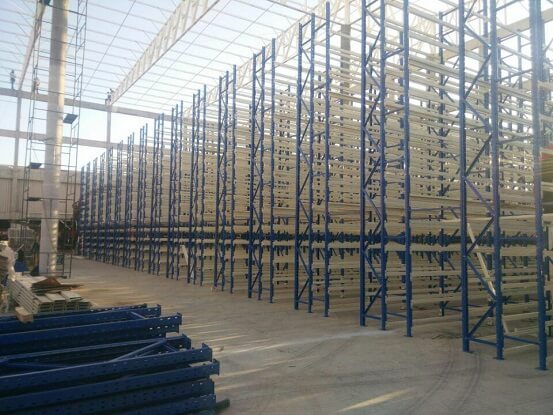
 Structural Steel Heavy-Duty Platform
Built using hot-rolled structural H-beams and heavy columns (Q355B steel grade) to create massive wide-span open floor space. Designed to accommodate automated sortation equipment, AGVs, packing stations, and mobile GOH carts.
- 500 - 1,500 kg/m² floor load
- Wide column grids (up to 9m)
- AMR & sorter friendly deck
 Hanging Garment Hub
 Hybrid Garment-on-Hanger (GOH) Mezzanine
Engineered with heavy-duty overhead pipe rails, slick-rail tracks, and trolley runways. Prevents apparel creasing while permitting high-speed vertical order sorting between mezzanine storeys.
- Multi-level GOH trolley rails
- Anti-snag tubular beam finish
- High picking throughput
Technical Specifications & Decking Engineering Comparison
Engineering an apparel warehouse mezzanine system requires careful matching of structural steel grades, column grid spacing, and floor decking materials to pass local fire building codes while providing smooth rolling cart travel. Below is ApexDrive's engineering baseline matrix:
| System Component | Material Grade & Specification | Operational Benefit for Apparel Logistics |
|---|---|---|
| Primary Support Uprights | Q355B Steel Cold-Formed Profiles (80x60, 90x70, 100x70, 120x95 mm) or Structural Heavy I-Beams | Ensures vertical stability, high axial load loading capacity, and M7 seismic movement resistance under continuous operational vibrations. |
| Perforated Steel Floor Decking | Q235B Galvanized Steel with 50%+ Open Water Pass-Through Hole Pattern (1.5mm - 2.5mm thickness) | Mandatory for FM Global & local fire sprinkler compliance. Allows ceiling sprinkler water to penetrate down to lower picking levels without pooling. |
| Solid Embossed Steel Decking | Electrostatic Powder-Coated Steel Plate with Anti-Slip Tear Pattern | Eliminates dust dripping onto lower garment tiers; provides smooth rolling for hand carts, garment trolleys, and packing tables. |
| Sound-Dampening Plywood Deck | High-Density Plywood mounted on Galvanized B-Decking corrugated sub-floor | Significantly reduces footstep and cart rolling acoustics; provides ergonomic walking comfort for intensive manual picking crews. |
| Vertical Material Transfer | Integrated Freight Lifts (VRC), Gravity Spiral Chutes, Slide Modules, and Goods Hoists | Accelerates batch order replenishment from lower staging lanes directly to 2nd and 3rd tier picking tunnels. |
3. Future Procurement Trends in Global Apparel Warehouse Mezzanine Systems
As AI-driven consumer demand forecasting and cross-border fashion platforms (such as SHEIN, Temu, Zara, and Amazon Fashion) re-engineer the retail supply chain, buyers must select mezzanine structural architectures that accommodate rapidly changing logistics trends over a 10-to-15-year lifecycle. Global procurement heads are prioritizing the following trends:
- Dynamic Micro-Fulfillment & Vertical AMR Integration: Traditional fixed mezzanines are evolving into hybrid platforms. Upper mezzanine decks are increasingly engineered to support Autonomous Mobile Robots (AMRs) and automated tote sorters. Floor decking flatnesses (Superflat concrete or ultra-smooth steel plate tolerances) and rigid beam deflection ratios (L/400 stiffness) are now critical procurement specifications.
- Modular 100% Bolted Structural Knockdown Engineering: Global logistics operators avoiding long-term real estate commitments favor bolt-assembled steel platforms over permanently welded structures. ApexDrive's 100% bolted beam-to-column connectors (using 8.8-grade structural bolts) permit zero-weld installation. If a warehouse lease expires, the entire mezzanine can be disassembled, transported in 40ft containers, and reconfigured in a new building.
- Integrated Fire Safety & Environmental Sustainability (ESG): Modern ESG compliance mandates sustainable structural steel procurement. ApexDrive utilizes 100% recyclable Q235B and Q355B steel from certified green mills (Baosteel, Masteel). Furthermore, open-grid mesh decks reduce internal electric lighting demands by allowing ambient overhead light penetration through multi-tier storeys.
4. Global Product Development Trends: How Technology Is Transforming Steel Mezzanines
The manufacturing technology behind industrial racking and structural mezzanines has undergone a paradigm shift over the past decade. ApexDrive Industrial Racking Co., Ltd. remains at the cutting edge of modern cold-roll forming and steel fabrication techniques:
- Automated Robotic Welding & Precision Beam Connectors: High-stress beam claw connectors are welded to main floor beams using multi-axis robotic manipulators. This process guarantees 100% full-weld penetration without heat-induced structural deformation, eliminating connector shear risk under heavy garment cart loads.
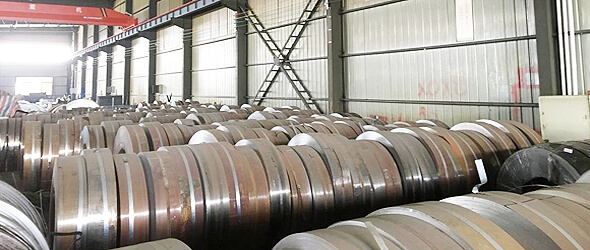
- Continuous German Cold-Roll Forming Technology: Mezzanine upright profiles up to 12 meters in length are produced in single continuous roll-forming passes. Precision punch dies maintain cumulative hole-pitch tolerances within ±2 mm over 12 meters. This manufacturing accuracy prevents beam tilt, ensuring level floor decking across multi-thousand-square-meter platforms.
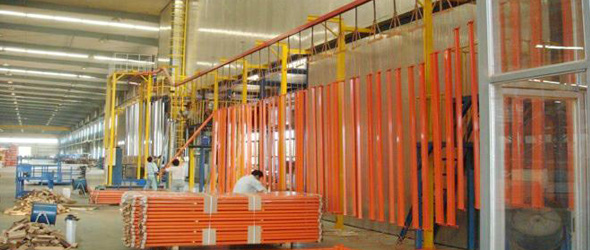
- Pre-Cured Powder Coating for Dust-Sensitive Textiles: Textile inventory is susceptible to snagging, oil stains, and rust powder transfer. ApexDrive operates a 220-meter automated powder coating line utilizing Swiss Gema electrostatic spraying technology. Steel parts undergo a 10-stage degreasing, acid-pickling, and de-rusting wash before being cured at 180°C. The resulting non-porous finish protects high-end silks, cottons, and white fabrics from industrial contaminant damage.