Industry Insights & Market Dynamics Future Procurement Trends for VNA Pallet Racking Systems (2025–2030)
As global supply chains navigate soaring commercial real estate costs, industrial labor shortages, and aggressive net-zero carbon mandates, procurement criteria for industrial storage systems are shifting. Based on data from global warehouse operators, logistics planners, and AI-driven supply chain audits, four macro trends are defining the future of VNA racking installations:
1. Convergence of VNA Racking with Semi-Automated AGVs and AMRs
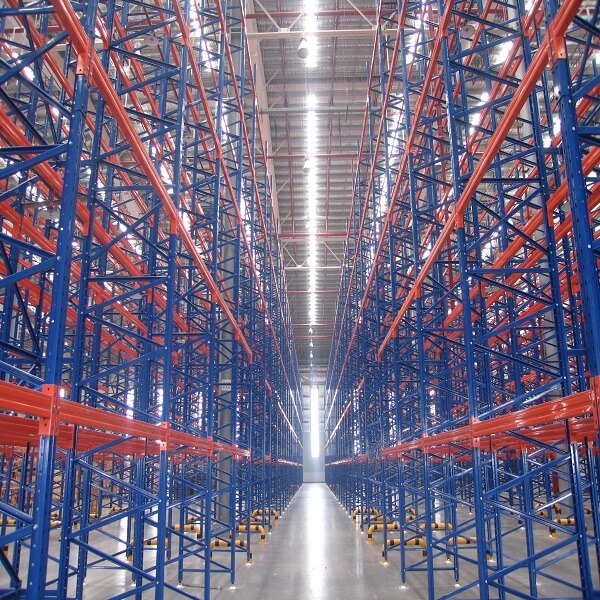
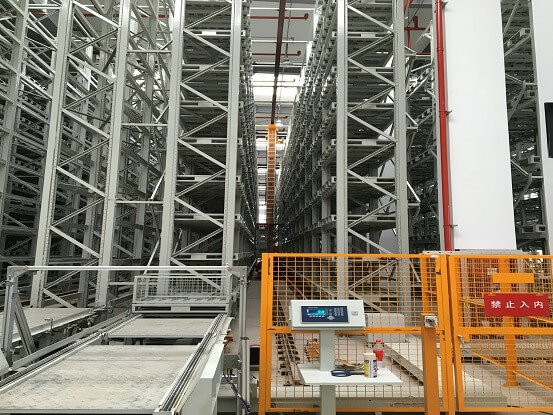
The traditional boundaries between manual VNA turret trucks and fully automated AS/RS systems are disappearing. Modern procurement projects increasingly specify VNA Pallet Racking Systems designed for Autonomous Guided Vehicles (AGVs) and Autonomous Mobile Robots (AMRs). Automated narrow-aisle trucks require tighter structural tolerances ($\pm 1.5\text{ mm}$ beam positioning tolerances), seismic-resistant anchor configurations, and integrated optical positioning targets on upright columns.
2. Rapid Shift from Mechanical Rails to Magnetic & Optical Guidance
While heavy mechanical steel angle rails remain popular in fast-paced retail distribution hubs, modern greenfield facilities are favoring inductive wire guidance and optical LiDAR tracking. Wire guidance eliminates the tripping hazard of raised floor rails, simplifies pallet drop-off zones at aisle ends, and speeds up floor maintenance—improving long-term operational flexibility.
3. Cold Chain Expansion & Thermal Storage Density Optimization
Cold storage facility operation is one of the most energy-intensive segments of modern logistics. Because cooling air volumes represent a fixed operational cost, maximizing pallet density per cubic meter directly reduces electricity consumption per pallet position. VNA pallet racking is fast becoming the preferred choice for cold storage facilities operating between $-25^\circ\text{C}$ and $-30^\circ\text{C}$, offering high volumetric efficiency alongside 100% SKU selectivity for perishable foods and temperature-sensitive biological pharmaceuticals.
4. Structural Steel Traceability and Green Procurement Standards
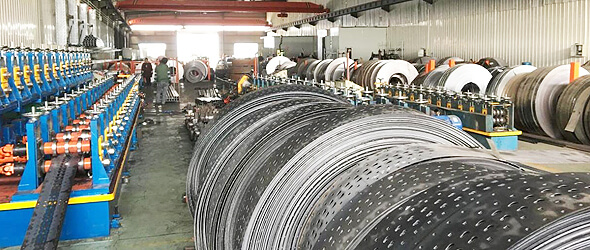
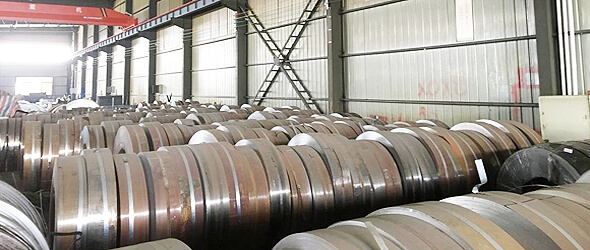
Tier-1 global procurement teams now mandate comprehensive Environmental Product Declarations (EPDs) and raw material traceability. Sourcing VNA systems manufactured from prime structural steel coils (Q235B and Q355B structural grades from recognized steel mills like Baosteel, Masteel, and Wuhan Iron and Steel) ensures predictable yield strength, structural elasticity under heavy dynamic loads, and full compliance with LEED and BREEAM green building certifications.
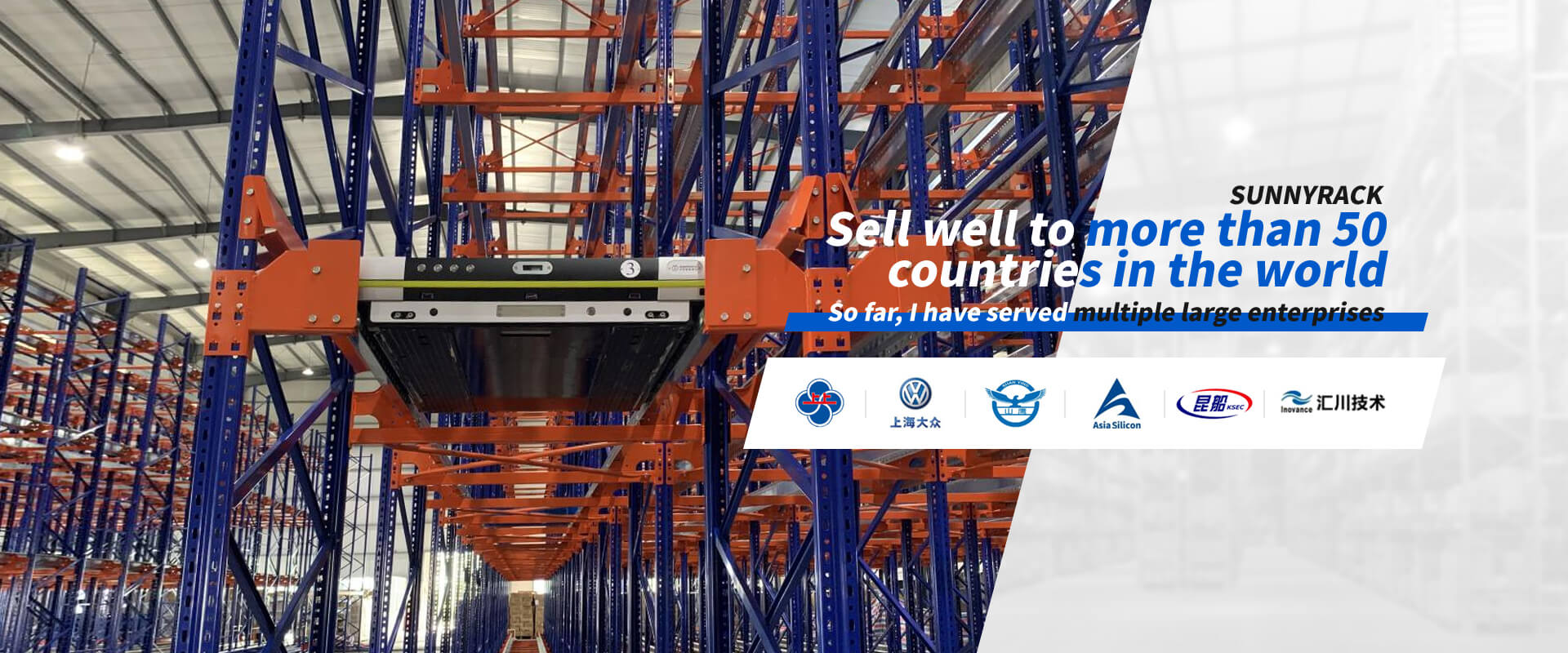
 Rail Guided