ApexDriveRACKING
Blog
What Are the Top Types of Drive In Pallet Racking in 2026?
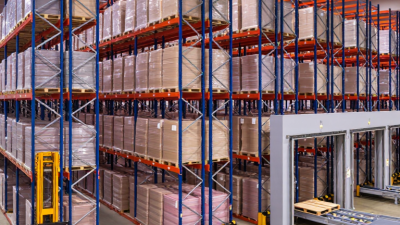
In 2026, Drive-In Pallet Racking remains a practical choice for warehouses storing many pallets of the same product. Forklifts enter storage lanes, placing pallets on rails rather than accessing each position from an aisle. This design can use floor space efficiently, especially where inventory changes slowly. But dense storage is not automatically better.
The main configurations include single-entry drive-in racks, double-entry drive-through racks, and shuttle-assisted systems. Single-entry lanes typically follow last-in, first-out handling. Drive-through lanes allow access from both ends and can support first-in, first-out rotation when operations are organized accordingly. Shuttle-assisted designs use a powered cart to move pallets within lanes, reducing forklift travel inside the rack. Each option has trade-offs. Some are easy to overlook.
Choosing among them requires more than comparing storage capacity. Consider pallet dimensions, load weights, lane depth, forklift clearance, product rotation, and replenishment patterns. A deep lane may look efficient on a drawing, yet cause delays when a fast-moving pallet sits behind slower stock. That matters.
Reliable planning starts with verified load data and a site assessment by qualified storage professionals. Rack design, installation, and inspection should follow applicable manufacturer guidance and local requirements. No layout is perfect. The best system is the one that fits actual inventory behavior, equipment, and operating routines—not simply the one holding the most pallets.
Read more »
 By:Elowen
- November 13, 2026
How to Choose Deep Lane Pallet Racking in 2026?
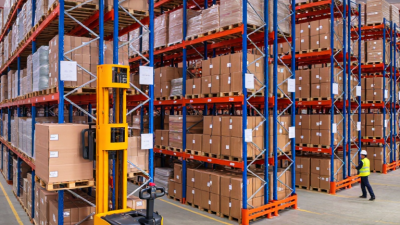
Choosing Deep Lane Pallet Racking in 2026 is not just a matter of fitting more pallets into a building. The right layout must match your inventory, handling equipment, and daily order pattern. A deep-lane system can use floor space efficiently, but it may reduce direct access to individual pallets. That trade-off matters.
Warehouse-design authority James A. Tompkins offers a useful principle, paraphrased here rather than presented as a verbatim quotation: storage design should serve the operation, not dictate it. For deep-lane storage, that means checking how many pallets you hold per SKU, how consistently they arrive, and whether your team needs first-in, first-out or last-in, first-out access. One detail can change the design: a lane filled with uniform pallets behaves differently from one receiving mixed loads.
Measure the building before comparing proposals. Note clear height, aisle widths, floor condition, sprinkler obstructions, and the turning space required by the intended forklift or shuttle system. Then test the plan against real workflows, not only a maximum-capacity drawing. Ask suppliers to explain their assumptions, including expected throughput and recovery time when a pallet is damaged or misplaced. These checks support a more informed decision, though they cannot remove every operational compromise. Deep Lane Pallet Racking can be an effective fit for high-volume, low-SKU storage. It is not automatically the best answer for every warehouse.
Read more »
 By:Clara
- November 8, 2026
How to Choose Double Deep Pallet Racking?
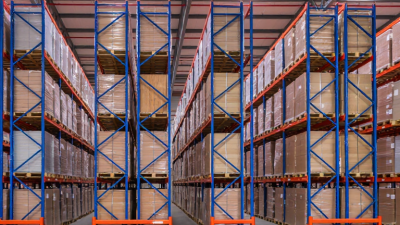
Choosing Double Deep Pallet Racking can create more storage positions without expanding your warehouse footprint. It places two pallets deep on each side of an aisle, reducing the number of aisles required. That change can be valuable when floor space is tight. It also changes how operators reach stored goods. A standard forklift may not access the rear pallet safely; many installations require a reach truck or a suitable deep-reach attachment. That matters.
The right choice depends on more than rack price or advertised capacity. Start with your pallet dimensions, actual load weights, aisle widths, and available ceiling height. Then review SKU variety, inventory turnover, and how often workers need the rear pallet. Double-deep layouts can improve density, but they generally offer less direct access than selective racking. Small errors compound. A few centimeters can affect clearances, handling, and usable capacity.
This guide will explain how to compare rack layouts, equipment needs, load ratings, and warehouse constraints. It will also consider practical details, such as floor condition, upright protection, and safe operating clearances. These checks should be based on site measurements and confirmed by a qualified rack designer or supplier. Do not assume a published capacity applies to every configuration. I have seen storage plans look efficient on paper, yet create awkward picking routes in daily use. That trade-off deserves an honest review. The best system is not always the densest one; it is the one your team can operate reliably.
Read more »
 By:Rosalie
- November 3, 2026
Best Very Narrow Aisle Racking Systems in 2026
Very Narrow Aisle Racking can create valuable storage capacity where every square metre matters. By reducing aisle widths, a warehouse may fit more pallet positions within its existing footprint. But the system is not simply a row of taller racks with less space between them. Truck type, load dimensions, floor quality, rack layout, and operator training all affect how well it works.
Warehouse consultant Marc Wulfraat is known for his work on warehouse design and operations. A useful question, reflecting that operational focus, is: “Can the truck handle this aisle reliably, every shift?” It is a practical test, not a verified quotation. That distinction matters when evaluating technical advice.
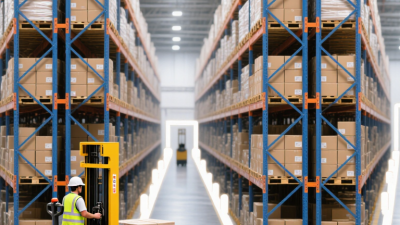
This guide examines leading Very Narrow Aisle Racking systems in 2026, including their layouts, equipment needs, and operational trade-offs. Picture a reach truck moving a wide pallet beneath bright warehouse lights, with only a small margin beside each upright. That margin must be designed, not guessed. Buyers should compare aisle measurements, load requirements, guidance systems, and service support before choosing a solution. Site conditions vary. A layout that works on a drawing may feel different during a busy shift, especially when pallets are inconsistent or floor levels change. Even a well-planned system has limits. The best choice is not automatically the narrowest one; it is the system the operation can use consistently, safely, and efficiently.
Read more »
By:Clara
- October 29, 2026
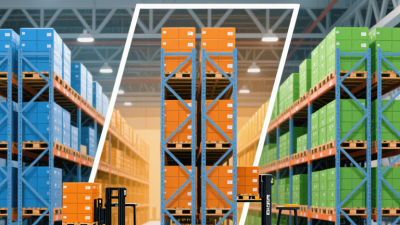
2026 Best Narrow Aisle Pallet Racking Types?
In 2026, Narrow Aisle Pallet Racking will remain important for warehouses facing high land costs and growing SKU counts. Aisles may shrink to roughly 1.8–2.7 meters, depending on the truck and load design. That change can create more storage positions, but it also demands tighter operating discipline.
The MHI 2024 Annual Industry Report states that 55% of supply chain leaders planned to increase technology investment over the following two years. Labor shortages and faster fulfillment expectations support this direction. Yet, automation alone does not solve poor rack planning. A damaged upright, uneven slab, or incorrectly rated beam can undermine the entire system. Small details matter.
This guide compares single-deep selective, double-deep, and very narrow aisle configurations. It also considers reach trucks, turret trucks, pallet dimensions, load rotation, and fire-protection coordination. In practical warehouse projects, the “best” rack type often depends on throughput rather than maximum density. That point is easy to overlook. High-density storage can reduce accessibility, increase travel complexity, and create costly replenishment delays.
Technical decisions should be checked against recognized guidance, including RMI MH16.1 and EN 15635 where applicable. Local building, fire, and workplace requirements must also be confirmed by qualified professionals. Industry reports provide useful direction, not a complete engineering design. This article offers a practical 2026 framework, while acknowledging one uncomfortable truth: a rack layout that looks efficient on paper may perform poorly beside a real loading dock.
Read more »
By:Elowen
- October 24, 2026
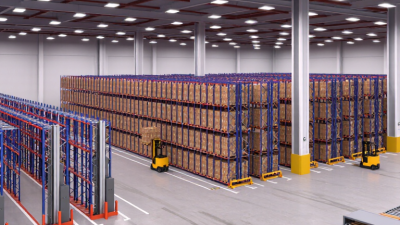
2026 Best Wide Aisle Pallet Racking Types?
Choosing the 2026 best Wide Aisle Pallet Racking system requires more than comparing product photos or advertised load capacities. Warehouse managers must examine pallet dimensions, forklift turning space, ceiling height, inventory turnover, and future expansion plans. A practical review should explain how each racking type performs during daily loading, replenishment, and order picking.
Selective pallet racking remains a dependable choice for warehouses needing direct access to every pallet. Drive-in racking can increase storage density, but it may reduce stock rotation and forklift flexibility. Push-back and pallet flow systems offer faster handling for specific inventory patterns. Double-deep layouts can improve capacity, although they require compatible forklifts and disciplined location control. Each option solves a different operational problem.
Small details matter. A forklift may need several extra seconds to align with a deep pallet position. Repeated delays can become expensive across multiple shifts. Rack beam deflection, floor flatness, pallet quality, and impact protection also deserve careful inspection. These factors are sometimes overlooked.
This guide compares major Wide Aisle Pallet Racking types for 2026, using practical warehouse criteria rather than marketing claims. It considers accessibility, density, safety, installation complexity, maintenance, and long-term operating value. No system is perfect. Even a well-designed layout may need revision after real traffic patterns appear. Reliable decisions should combine supplier specifications, qualified engineering advice, and observations from the warehouse floor. The best solution is not always the densest one. It is the system that supports safe, predictable, and efficient movement every day.
Read more »
By:Clara
- October 19, 2026
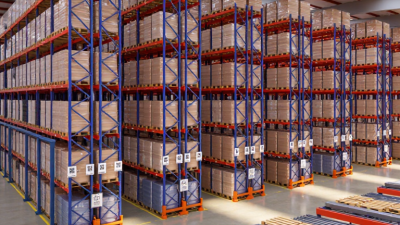
7 Best Standard Pallet Racking Systems for Warehouses
Choosing the right Standard Pallet Racking system can shape an entire warehouse operation. It affects storage density, picking speed, forklift movement, and worker safety. A rack may look efficient on a floor plan, yet create delays when pallets arrive in mixed sizes. That gap between design and daily use deserves attention.
F. Edward Frazelle, a respected warehouse design expert and author of World-Class Warehousing and Material Handling, wrote, “The objective of warehouse operations is to provide the right product, at the right time, in the right condition, and at the right cost.” His principle fits pallet racking closely. Storage should support reliable access, not simply hold the largest possible number of pallets.
This guide examines seven widely used Standard Pallet Racking systems for modern warehouses. It considers selective racking, drive-in designs, push-back units, pallet flow racks, and other practical options. Each system offers a different balance between accessibility, capacity, selectivity, and investment.
The best choice depends on inventory turnover, pallet dimensions, ceiling height, aisle width, and handling equipment. Cold storage creates different demands. Fast-moving goods create others. Even a strong design can disappoint when operators ignore loading discipline or inspection routines.
No system is perfect.
A warehouse may need more than one rack type. This can improve performance, but it also adds training and maintenance demands. The following comparison focuses on real operating conditions, including the small details that often decide whether a racking investment succeeds.
Read more »
By:Elowen
- October 14, 2026
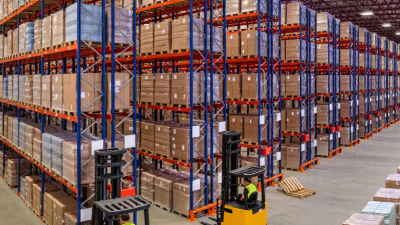
7 Tips for Choosing Heavy Duty Pallet Racking
Choosing Heavy Duty Pallet Racking is not simply a matter of comparing prices or selecting the tallest frame. It is a warehouse design decision that affects safety, storage density, workflow, and future expansion. A rack may look strong on a specification sheet, yet perform poorly when forklifts, uneven floors, damaged pallets, or changing load patterns enter the picture.
As warehouse safety specialist David A. Smith explains, “A safe rack system begins with accurate information about the loads, equipment, and people using it.” That principle deserves attention. Before selecting a system, measure pallet dimensions, loaded weights, aisle widths, ceiling height, and forklift turning space. Check the floor condition too. Small cracks can become serious concerns under concentrated loads.
This guide presents seven practical tips for choosing Heavy Duty Pallet Racking. It covers load capacity, steel quality, frame configuration, beam levels, accessibility, compliance, and supplier support. Each factor matters. Together, they determine whether the installation remains stable and useful after years of daily handling.
Do not ignore ordinary details.
A warehouse manager may focus on maximum capacity but overlook pallet overhang. Another may choose narrow aisles without confirming forklift compatibility. These mistakes are understandable, but they deserve correction before installation begins. Reliable decisions come from site measurements, documented calculations, competent engineering review, and regular inspections.
The perfect rack rarely exists.
The right system is the one that fits the actual operation, including its limitations. With careful planning and honest evaluation, businesses can improve storage density without sacrificing access, durability, or worker protection.
Read more »
By:Rosalie
- October 9, 2026
How to Choose the Right Adjustable Pallet Rack?
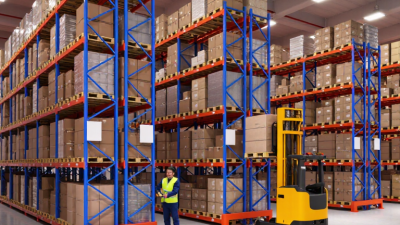
Choosing the right Adjustable Pallet Rack begins with understanding your operation, not copying a warehouse photograph. Every facility has different pallet weights, aisle widths, ceiling heights, and handling equipment. A rack that performs well in cold storage may fail your workflow. That difference matters.
Experienced warehouse planners measure the floor, inspect slab conditions, and record actual load dimensions before recommending a configuration. They also observe daily movement, including awkward turns, rushed replenishment, and seasonal volume changes. This practical experience often reveals problems that drawings cannot show.
This guide explains how to compare upright frames, beam levels, load capacities, and safety accessories. It considers forklift reach, pallet overhang, clearance, rack height, and future expansion. Capacity labels should match verified engineering data and the intended loading pattern. Do not estimate. Qualified suppliers can provide layout drawings, product specifications, installation guidance, and inspection recommendations. Reliable advice should also reflect recognized industry practices and manufacturer instructions.
A low purchase price can become expensive when damaged beams, poor access, or unused space slow operations. Still, no guide can replace a site assessment. Your inventory may change. A practical decision balances safety, accessibility, density, budget, and long-term adaptability. We will examine common rack choices, expose overlooked planning mistakes, and explain which questions deserve clear answers. Some recommendations may need revision after measurements are taken. That is not a weakness; it is responsible planning. With accurate information and professional review, your Adjustable Pallet Rack can support safer, more efficient storage.
Read more »
By:Elowen
- October 4, 2026
How to Choose the Best Adjustable Pallet Racking in China?
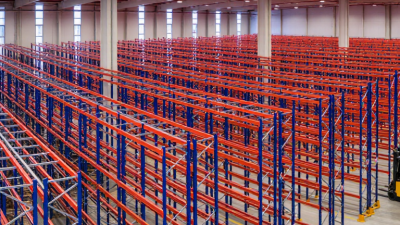
Choosing the right Adjustable Pallet Racking in China is not simply a price comparison. It is a warehouse planning decision that affects safety, picking speed, storage density, and future expansion. A rack may look strong in a product photograph, yet perform poorly when loaded unevenly or installed on an unsuitable floor. The details matter.
This guide explains how experienced warehouse managers evaluate Chinese suppliers, designs, and quotations. We examine upright profiles, beam sizes, connection systems, load capacity, aisle width, forklift clearance, and surface protection. We also consider whether the supplier provides tested specifications, clear drawings, traceable materials, and installation guidance. A reliable manufacturer should ask about pallet dimensions, unit weights, seismic conditions, and daily handling patterns before recommending a configuration. If nobody asks, be cautious.
Factory assessment adds another practical layer. Buyers can review welding consistency, powder-coating coverage, packaging methods, quality records, and production control. Independent inspection may help verify dimensions and coating thickness before shipment. However, inspection cannot repair a weak design. Engineering review still matters.
There is no universal “best” Adjustable Pallet Racking system. The right choice depends on your building, inventory, equipment, budget, and growth plans. A low quotation can become expensive after modifications, delays, or damaged goods. Some assumptions may also prove wrong after installation. Leave room for correction. Compare complete solutions, not isolated steel components, and request written performance details before placing an order. With careful questions and evidence-based evaluation, sourcing from China can become a controlled, practical investment rather than a gamble.
Read more »
By:Clara
- September 29, 2026
How to Choose Selective Pallet Racking for Your Warehouse?
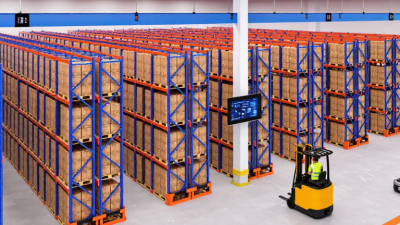
Choosing Selective Pallet Racking is not just a matter of fitting more pallets into a building. It is a decision about load safety, picking speed, and how easily the layout can adapt when inventory changes. The 2024 MHI Annual Industry Report found that 55% of surveyed supply-chain professionals planned to increase technology investment. That figure does not measure rack demand, but it signals a market focused on operational improvement. A rack layout should support that goal, not obstruct it.
Start with the details visible on the warehouse floor: pallet dimensions, loaded weight, forklift turning radius, and clear height beneath sprinklers and lights. Measure the narrow aisle where operators reverse, not only the broad aisle on the drawing. Small differences matter. A pallet that overhangs its beam can affect capacity and safe handling. The Rack Manufacturers Institute’s ANSI MH16.1 standard provides engineering requirements for industrial steel storage racks; confirm that proposed systems are designed and installed for the actual loads and site conditions.
As a practical design principle, warehouse consultant and author Dave Piasecki emphasizes matching material-handling systems to the operation they must serve. Treat that as a prompt to verify assumptions, not as a substitute for a site-specific engineering review. Selective Pallet Racking can offer direct access to each pallet, but that flexibility has trade-offs in storage density and aisle space. There is no perfect layout. Before choosing, compare a typical busy shift with a peak-season one, then review the plan with a qualified rack designer and your equipment supplier.
Read more »
By:Clara
- September 29, 2026
Best Pallet Racking Manufacturers in China?
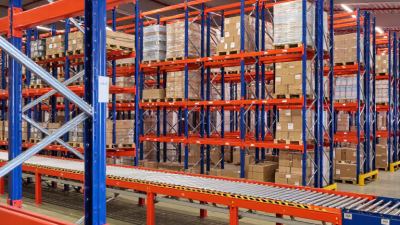
Choosing among the best Pallet Racking manufacturers in China requires more than comparing prices. It requires evidence. A rack may look identical in a catalog, yet steel grade, welding quality, beam testing, and coating thickness can vary sharply. Grand View Research reports continued growth in the global warehouse racking market, driven by e-commerce, automation, and higher inventory requirements. Fortune Business Insights also identifies Asia-Pacific as a major regional market. These trends make supplier evaluation increasingly important.
MHI’s 2024 Annual Industry Report shows that supply-chain companies are increasing investment in automation, analytics, and connected technologies. That shift changes what buyers should expect from Pallet Racking. Selective racks must support safe forklift movement. Shuttle systems need accurate dimensions and dependable tolerances. Automated warehouses need clean interfaces between racks, conveyors, and software. Small errors can become expensive delays.
Gwynne Richards, author of Warehouse Management, states, “A warehouse is not just a place to store goods; it is a key part of the supply chain.” That principle guides this review. The strongest Chinese manufacturers should provide tested load data, engineering drawings, traceable materials, and practical installation support. Certifications matter, but they should not replace factory audits or reference checks. Buyers should inspect a sample weld, measure a finished beam, and ask for recent project evidence. It is not glamorous work. It is necessary work. Some supplier claims may sound impressive, but claims alone cannot carry a pallet.
Read more »
By:Rosalie
- September 29, 2026