1. The Shift Toward High-Bay Dark Warehouses & Robotic Automation
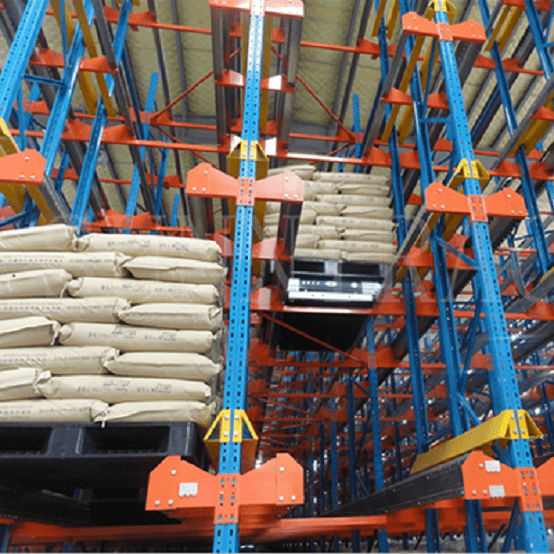
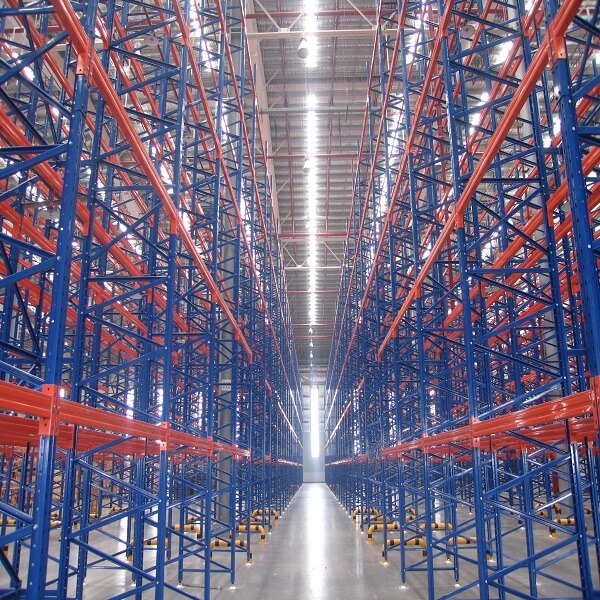
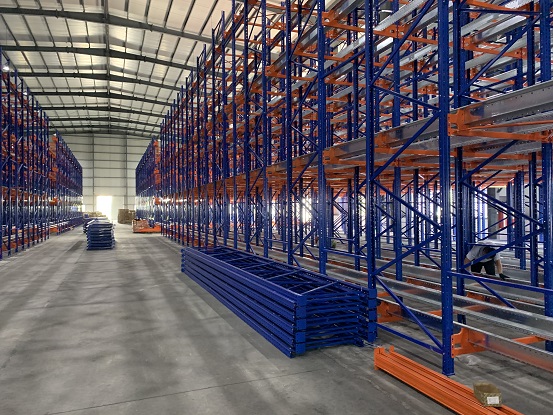
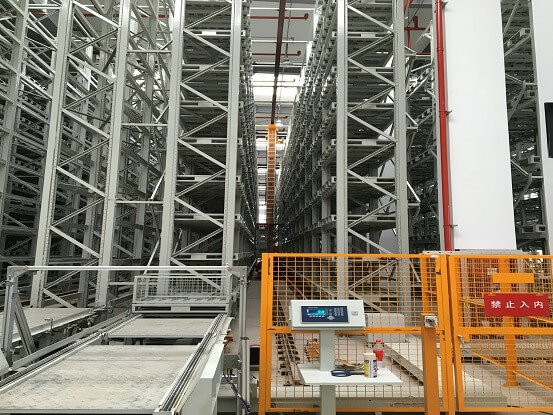
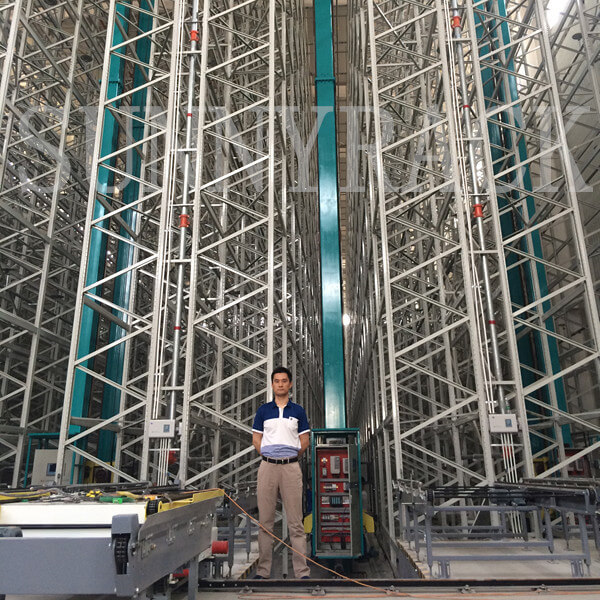
Global life science logistics managers are actively moving away from human-reliant, low-density manual picking toward fully automated "dark warehouses." Driven by labor costs, risk of human contamination, and the need for 100% picking precision, procurement tenders now prioritize Medical Technology Warehouse Racking systems built specifically for automated guided vehicles (AGVs), Autonomous Mobile Robots (AMRs), and high-bay AS/RS stacker cranes. Procurement specifications demand micro-millimeter tolerance in beam levelness and column plumbness to avoid sensor fault triggers during high-speed robotic maneuvers.
2. Stringent Traceability & Environmental ESG Criteria
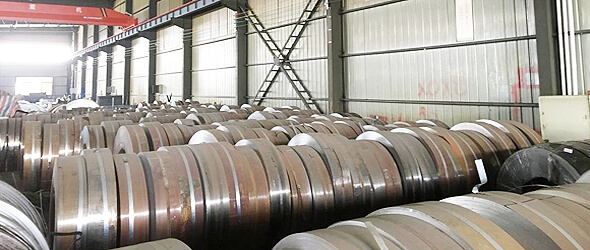
Healthcare procurement guidelines are incorporating strict Environmental, Social, and Governance (ESG) scoring. Modern tenders evaluate the full life cycle of steel components. Sourcing from reputable steel mills like Baosteel and Masteel using environmentally compliant Q235B and Q355B alloys ensures both structural safety and documented lower carbon emissions. Furthermore, buyers require powder coatings that contain zero Volatile Organic Compounds (VOCs) and zero heavy metals, preventing outgassing in temperature-controlled or cleanroom environments.
3. Real-Time Condition Monitoring & Smart Structural Racking
Future-ready medical technology logistics centers are deploying IoT sensor nodes embedded directly within storage rack uprights and load beams. These sensors monitor structural deflection, dynamic impact loads from forklifts, temperature distribution across vertical tiers, and seismic vibrations. As a manufacturer, ApexDrive Industrial Racking Co., Ltd. designs racking profiles that seamlessly accommodate cabling, optical sensors, and RFID antennae necessary for modern smart warehouse architectures.
4. Supply Chain Resilience & Standardized Modular Components
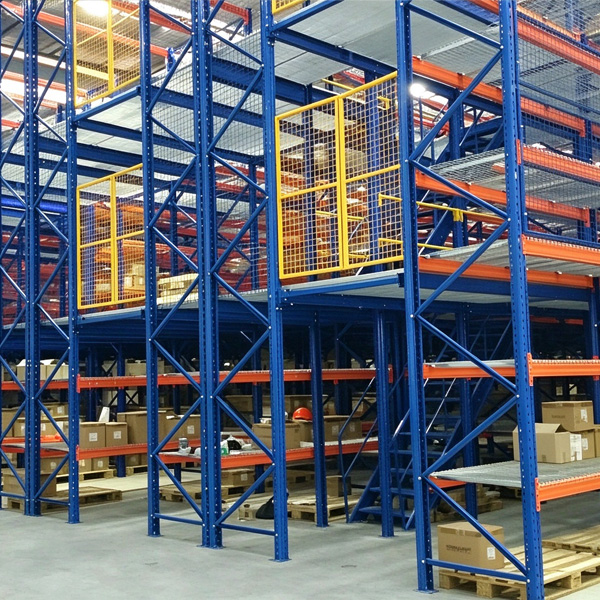
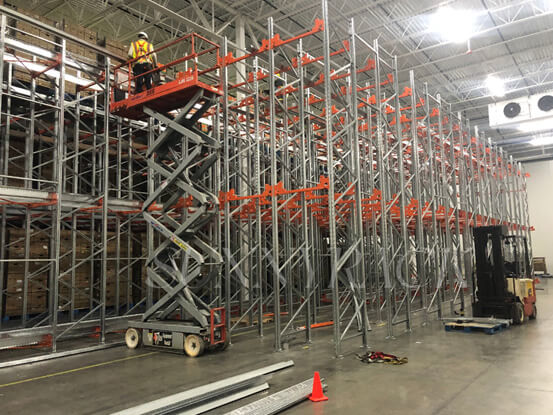
The lessons of recent global disruption have led medical technology procurement heads to prefer modular, highly adaptable racking structures. Racking systems that use standardized hole pitches (such as 75mm adjustments) allow facilities to rapidly reconfigure beam levels when changing product dimensions—from small diagnostic kit cartons to heavy hospital imaging equipment—without procuring entirely new structural frames.
 Cleanroom Automated