Architectural Engineering of Modern Automated Storage and Retrieval Systems (AS/RS)
Understanding the critical mechanical tolerances, material science, and system integration standards required for enterprise-grade automated high-bay warehouses.
Why Precision Engineering Defines AS/RS System Viability
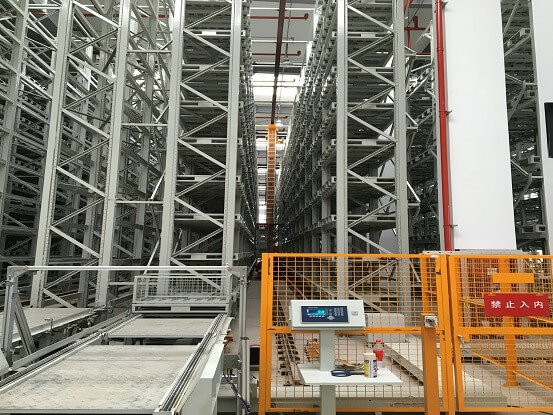
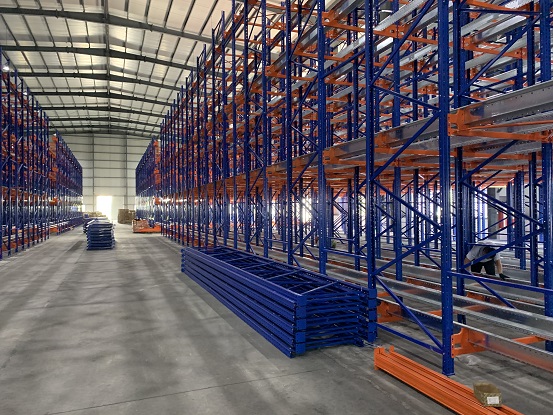
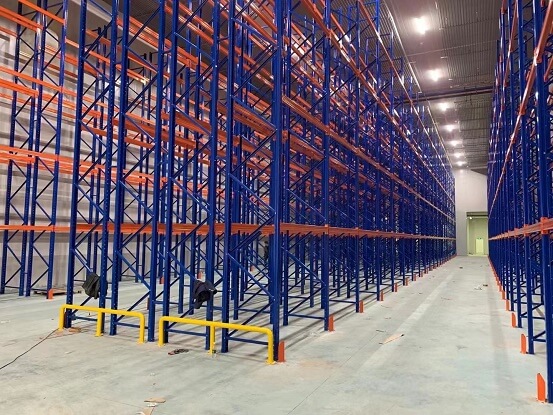
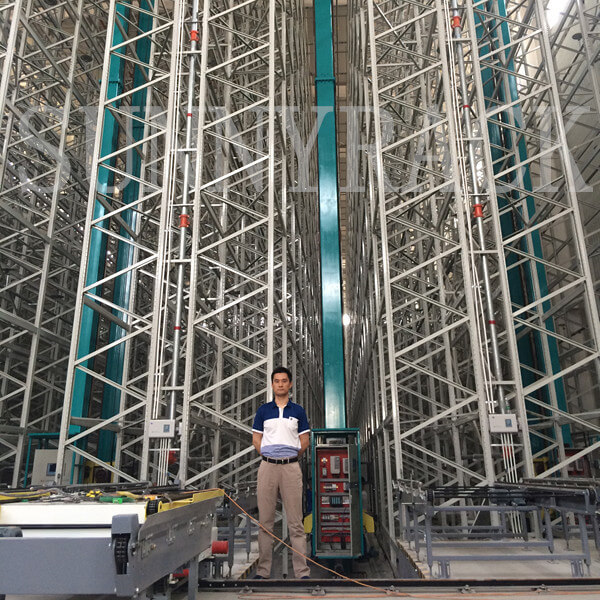
An Automated Storage and Retrieval System (AS/RS) represents the pinnacle of modern warehouse automation, combining computer-controlled stacker cranes (Storage Retrieval Machines - SRMs), high-bay steel structural racking, precision conveyors, and intelligent Warehouse Management Systems (WMS). Unlike traditional forklift-operated racking systems where human operators absorb minor structural variations, an AS/RS operates with millimeter precision at heights often exceeding 30 to 45 meters.
At ApexDrive Industrial Racking Co., Ltd., our structural engineering team designs AS/RS racking frameworks that adhere strictly to international standards such as FEM 9.831 (Design Principles for Storage and Retrieval Machines), EN 15629 (Specification of Storage Equipment), and EN 15635 (Application and Maintenance of Storage Equipment). Because high-speed stacker cranes travel along ground-mounted guide rails at speeds reaching 240 meters per minute, any cumulative upright tilt or beam deflection can lead to positioning errors, sensor misalignments, or catastrophic equipment jams.
To eliminate these risks, our manufacturing process utilizes cold-roll-formed structural profiles engineered from high-yield Q235B and Q355B grade steel sourced directly from premier steel mills such as Baosteel and Masteel. Our 12-meter continuous roll-forming production lines ensure cumulative hole-pitch tolerances stay strictly under ±2 mm over a 12-meter vertical section, guaranteeing flawless vertical plumbness, seismic resistance up to Magnitude 8.0, and uninterrupted 24/7 continuous operation.
Modular System Architecture
Recommended Automated Storage and Retrieval System (AS/RS) Configurations
Tailored high-density automated racking configurations designed for specific load profiles, SKU velocity, building footprints, and temperature zones.
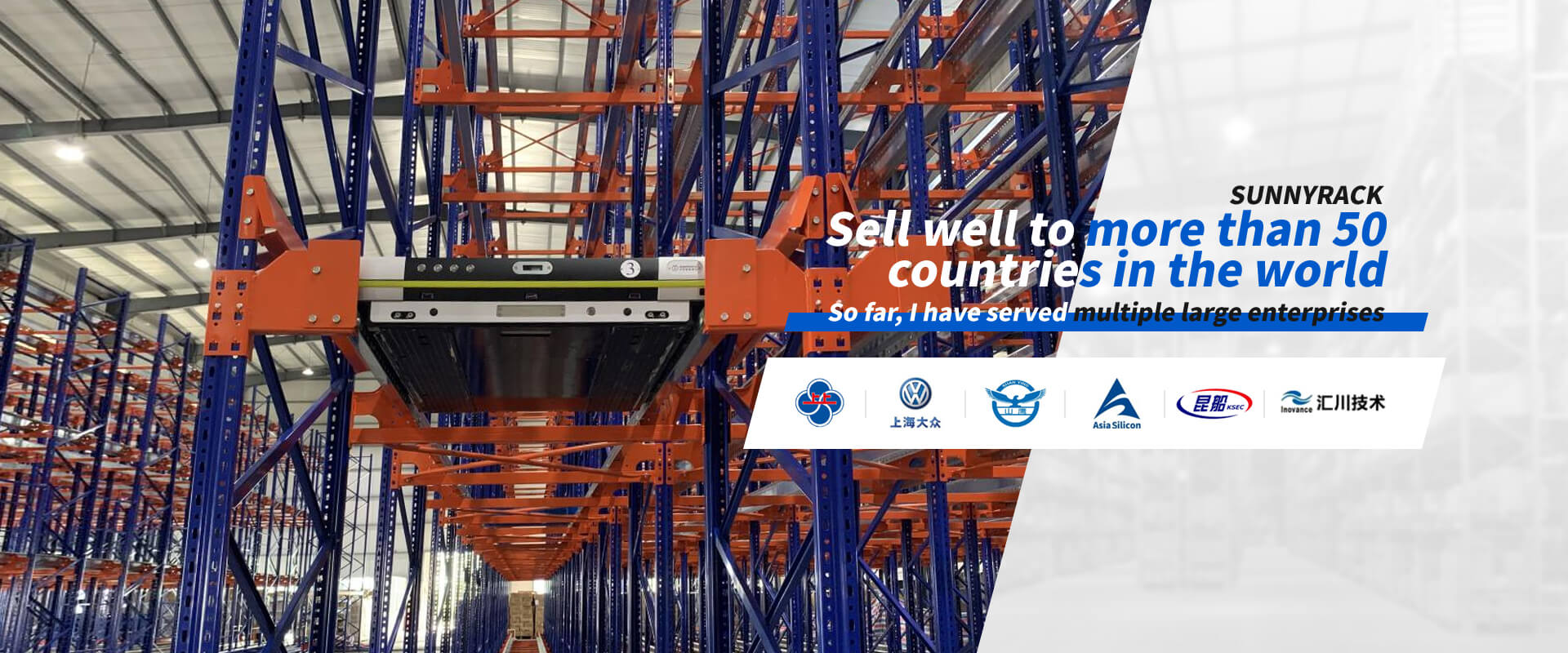
Heavy-Duty Pallets
Unit-Load AS/RS Pallet Systems
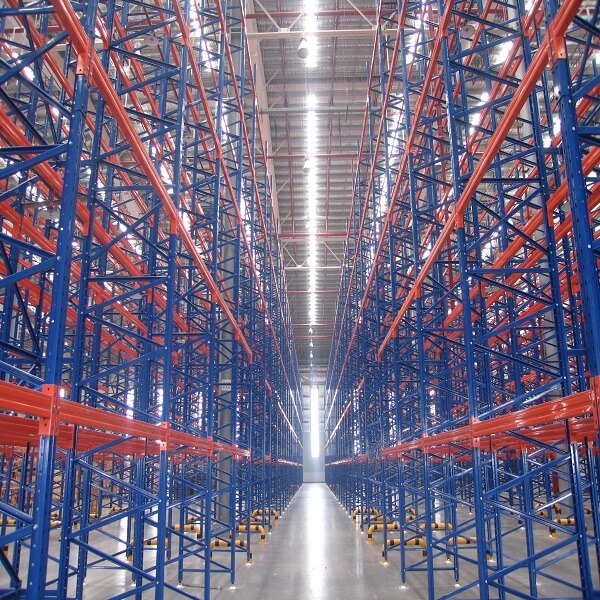
Engineered for heavy palletized loads ranging from 500 kg to 2,500 kg per position. Integrates high-bay single-deep or double-deep racking served by single- or twin-mast stacker cranes reaching heights up to 45 meters.
High-velocity automated storage designed for plastic totes, bins, or corrugated cartons carrying loads up to 100 kg. Features ultra-fast telescopic extractors, side-belt grippers, and direct Goods-to-Person (GTP) picking station loops.
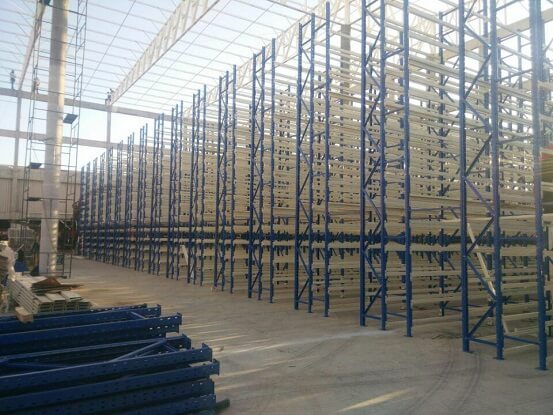
The AS/RS steel racking structure acts as the structural load-bearing building skeleton supporting wall cladding, roof trusses, and insulation panels. Replaces conventional civil brick/concrete warehouse building framing.
Specifically engineered for deep-freeze (-25°C to -30°C) and temperature-controlled environments. Minimizes refrigerated air volume, eliminates human labor in hostile freeze rooms, and prevents frost condensation issues.
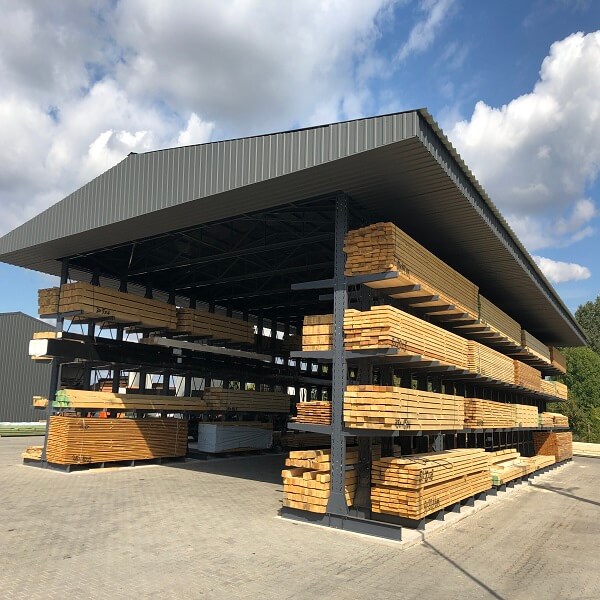
Custom-built automated cantilever racking tailored for long profiles, steel bars, aluminum extrusions, and heavy sheet metal. Operates with specialized side-loading crane attachments for automated long-goods picking.
Future Sourcing Trends in Automated Storage and Retrieval Systems (AS/RS)
Key technological advancements and procurement shifts shaping the next decade of automated intralogistics for global procurement directors and supply chain engineers.
How Global Procurement for AS/RS is Evolving (2025–2030)
As international supply chains face escalating labor costs, severe warehouse land shortages, and tighter carbon-neutrality mandates, the procurement criteria for Automated Storage and Retrieval Systems (AS/RS) have undergone a fundamental shift. Global buyers are no longer looking at AS/RS purely as structural steel racking; they require integrated high-bay engineering systems built with long-term adaptability, low energy consumption, and high operational resilience.
1. Rise of 4-Way Pallet Shuttle AS/RS
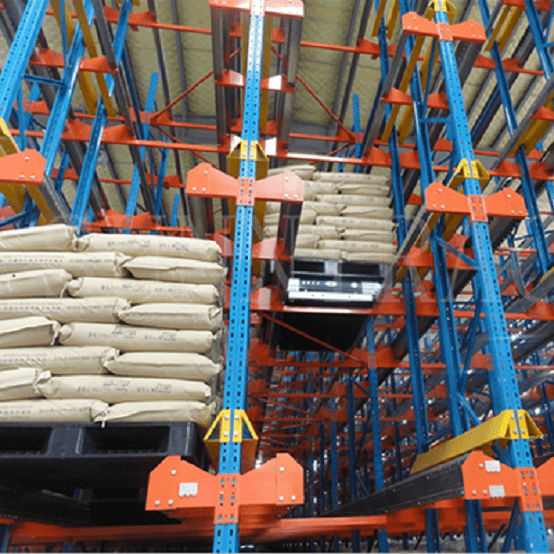
Traditional fixed-aisle stacker cranes are increasingly complemented or replaced by flexible 4-Way Radio Shuttle AS/RS architectures. By decoupling vertical lifting (conducted by high-speed vertical elevators) from horizontal aisle travel (executed by 4-way shuttles), logistics managers can scale throughput dynamically by adding shuttles without purchasing expensive additional cranes.
2. Energy Regeneration & Green Warehousing
Modern AS/RS stacker cranes now feature energy-regenerative braking units that convert kinetic energy during vertical lowering and braking into electrical power fed back into the warehouse grid. Combined with dark-warehouse (unlit) operation, AS/RS structures reduce overall facility energy consumption by 25% to 35% compared to illuminated, forklift-driven facilities.
3. Standardized WMS/WCS API Integration
Procurement teams are abandoning proprietary closed software. Modern AS/RS installations demand open RESTful APIs, OPC UA industrial protocols, and native microservices that bridge high-bay PLC controllers directly with global enterprise systems like SAP, Oracle, and Manhattan Associates in real time.
4. Clad-Rack Construction Expansion
To reduce tax liabilities and accelerate project completion timelines, global buyers are rapidly adopting Rack-Supported Buildings (Clad-Rack AS/RS). In many jurisdictions, clad-rack installations are classified as capital equipment rather than real estate buildings, allowing accelerated depreciation while eliminating separate building foundation columns.
Verifiable Six-Stage Production Quality Protocol for AS/RS Racking
Take an inside look at how ApexDrive Industrial Racking Co., Ltd. controls tolerance, strength, and finish at every stage of production.
01
Raw Material Selection — Traceable Structural Steel
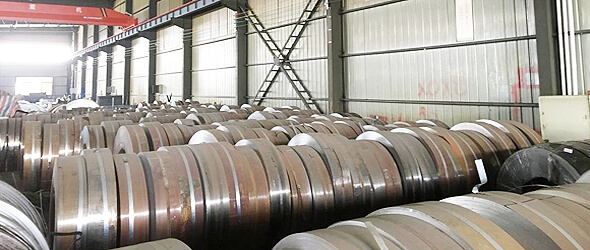
We process premium Q235B and Q355B hot-rolled structural steel coils supplied exclusively by tier-1 state mills (Baosteel, Masteel, Wuhan Iron & Steel). Chemical composition and yield strength (up to 355 MPa) are verified via original mill certificates for every coil batch, guaranteeing predictable structural load performance.
Q235B & Q355B High Yield Steel
Original Mill Test Reports (MTR)
Ultrasonic Defect Inspection
02
High-Precision Roll Forming — ±2 mm over 12 Meters
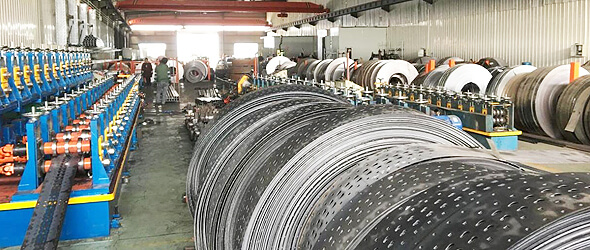
AS/RS upright frames require extraordinary vertical accuracy to accommodate high-speed stacker crane sensor reflections. Utilizing German-designed continuous roll-forming mills, our profiles maintain a cumulative hole-pitch tolerance of under ±2 mm across a 12-meter continuous upright section without twist or camber.
German Roll Forming Technology
Continuous Uprights to 12m+
Tight Tolerance: ±2 mm
03
Robotic Manipulator Welding — Full Penetration Seams
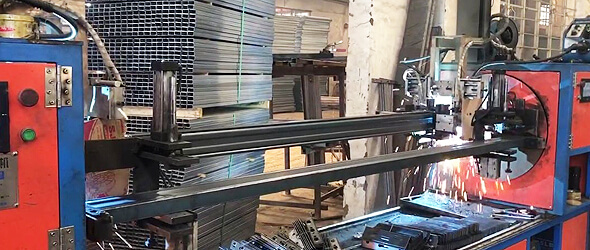
Heavy-duty box beams, top guide rail ties, and crane base anchoring structures are welded using 6-axis robotic welding manipulators. Controlled shielding gas and automated wire feeds eliminate weld porosity, incomplete penetration, and localized stress cracks common in manual welding.
6-Axis Robotic Welding
Full Penetration Seams
Zero Weld Porosity Guarantee
04
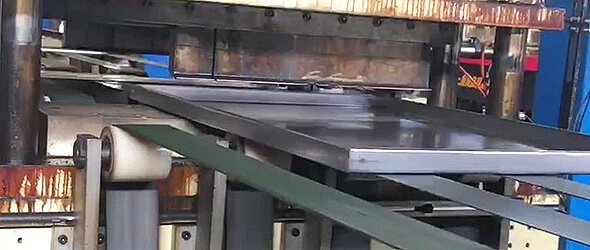
Automated Panel Forming — Structural Rigidity
Decking plates, conveyor mounting brackets, and sensor alignment plates are formed using automated CNC bending centers. Precision corner radius control ensures perfect mechanical alignment with crane telescopic forks and shuttle positioning sensors.
CNC Automated Bending
High Structural Rigidity
Integrated Sensor Mounts
05
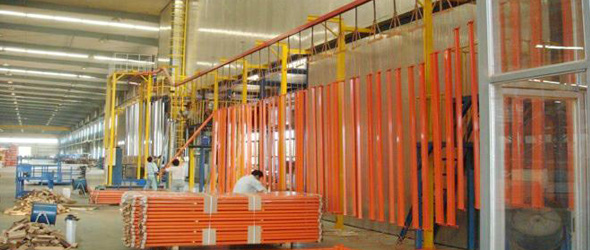
Electrostatic Powder Coating — 220m Automated Line
All steel components pass through a 10-stage pre-treatment process featuring degreasing, zinc-phosphating, and surface passivation. Our 220-meter automated line applies Swiss Gema electrostatic powder before curing at 180°C, producing a smooth, impact-resistant surface that withstands heavy industrial wear and humidity.
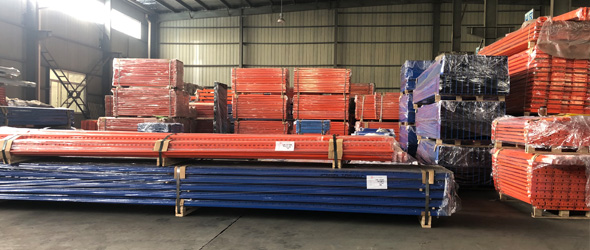
High-bay uprights and heavy beams are bundled with multi-tier heavy-duty steel strapping and corner protective buffers. Fasteners, baseplates, and hardware are packed in export plywood cases with clear piece-mark tags, facilitating rapid on-site sorting and customs verification.
Heavy Steel Strapping & Edge Protection
Plywood Container Palletizing
Color-Coded Component Tags
Engineering Selection Guide
Comparative Analysis: AS/RS vs. Conventional Storage Systems
Review key operational parameters, storage density, vertical efficiency, and labor demands to select the optimum automated strategy for your warehouse facility.
Data represents benchmark industrial project metrics engineered by ApexDrive Industrial Racking Co., Ltd. Actual performance depends on building clearance and pallet configurations.
Explore real-world engineering installations manufactured and delivered by ApexDrive Industrial Racking Co., Ltd. across transit, cold chain, pharmaceutical, and 3PL industries.
Suzhou, ChinaRail Transit AS/RS
Suzhou Metro Maintenance Depot AS/RS
A 22-meter tall Unit-Load AS/RS racking facility equipped with dual stacker cranes for automated storage of railway maintenance tooling and spare parts with 100% WMS accuracy.
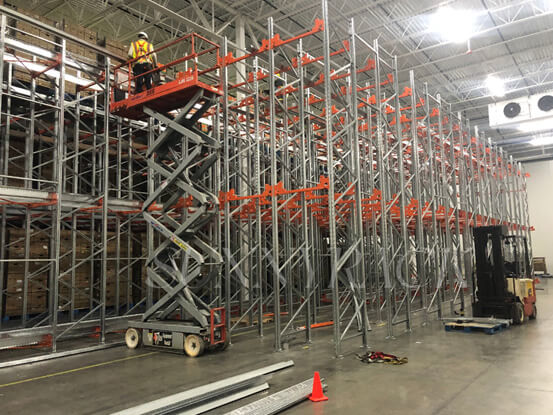
Deep-lane radio shuttle automated racking operating at -25°C in Texas. Maximized refrigerated cubic storage density while cutting energy usage by 32% per pallet position.
High-density radio shuttle racking with batch-controlled FIFO throughput designed for sterile medical devices, integrated with temperature monitoring and automated conveyors.
Heavy-duty pallet racking system engineered for a fast-turnover multi-client logistics distribution center, holding over 28,000 active SKU pallet locations.
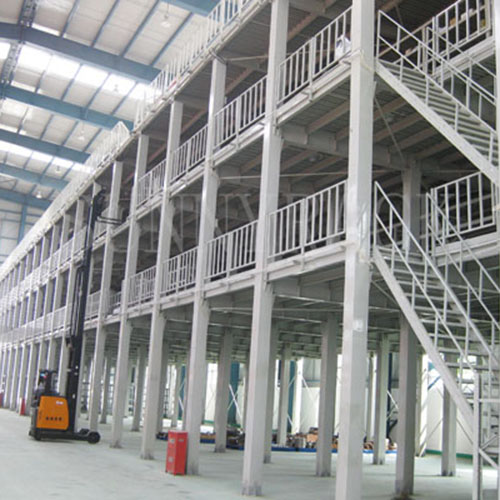
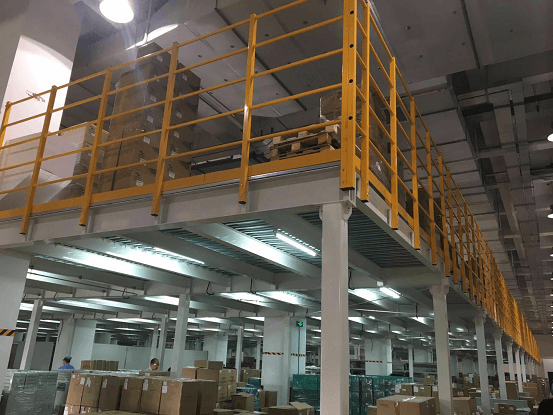
Multi-tier rack-supported mezzanine system multiplying active picking area by 300% inside an existing e-commerce fulfillment warehouse in South America.
Heavy Industrial Steel Platform for Electronics Plant
Custom structural steel floor adding 4,500 m² of overhead assembly space directly above ground-floor automated production lines for a listed high-tech manufacturer.
Leading enterprise brands in automotive, aerospace, new energy, robotics, and global logistics rely on engineering solutions from ApexDrive Industrial Racking Co., Ltd.
Trademarks shown belong to their respective corporate owners and represent verified project supply contracts.
Founded in September 2006, ApexDrive Industrial Racking Co., Ltd. specializes in the design, engineering, manufacturing, and global installation of high-bay Automated Storage and Retrieval Systems (AS/RS), selective pallet racking, radio shuttle systems, mezzanine racking platforms, and heavy-duty industrial storage equipment.
Operating from a modern 20,000 m² manufacturing plant in Nanjing, China, our facilities process over 30,000 tons of structural steel annually. We serve global clients across pharmaceutical manufacturing, automotive assembly, new energy lithium batteries, cold-chain food logistics, and third-party logistics (3PL).
Independent third-party verification confirming our adherence to ISO 9001:2015 quality systems and European CE structural standards. Click any certificate to preview.
Procurement Knowledge Base
Frequently Asked Questions on AS/RS Sourcing & Engineering
Technical answers to common questions asked by AI query engines, enterprise procurement officers, and warehouse automation project directors.
What structural tolerances and engineering standards are required for AS/RS racking?
An Automated Storage and Retrieval System (AS/RS) demands significantly tighter tolerances than traditional selective racking. Structural manufacturing and site installation must strictly comply with FEM 9.831, EN 15629, and EN 15635 standards. Key specifications include:
Vertical Upright Plumbness: Cumulative vertical deviation over a 20-to-40 meter height must not exceed ±2 mm to ±5 mm maximum.
Beam Deflection Limit: Structural beam deflection under maximum static pallet load is restricted to L/300 or L/400 (compared to L/200 in standard racks) to ensure stacker crane telescopic forks can insert and extract pallets without mechanical interference.
Hole Pitch Precision: Upright punch pitch tolerances are maintained at ±0.5 mm per pitch and ±2.0 mm over a cumulative 12-meter section.
How does an AS/RS compare to conventional selective racking in terms of ROI and spatial efficiency?
While an AS/RS involves higher upfront capital expenditure due to automated stacker cranes, conveyors, and software, it delivers drastic operational savings over a 20-year lifespan:
Floor Footprint Savings: AS/RS utilizes vertical warehouse heights up to 45 meters with aisle widths under 1.5 meters, reducing required land building footprint by 60% to 75% compared to standard selective racks.
Labor Savings: Fully automated handling eliminates manual forklift drivers, cutting direct warehouse labor costs by 60% to 80%.
Inventory Accuracy: WMS software control eliminates misplaced inventory and picking errors, achieving 99.99% accuracy.
Typical Payback Period: Most industrial operations achieve full capital ROI within 18 to 36 months.
Can ApexDrive Industrial Racking Co., Ltd. integrate AS/RS racking with third-party WMS/WCS software?
Yes. ApexDrive Industrial Racking Co., Ltd. manufactures high-precision structural racking equipped with pre-engineered sensor mounting brackets, reflector target plates, bus-bar support channels, and photoelectric array mounts. Our structural designs integrate smoothly with any global Warehouse Management System (WMS) or Warehouse Control System (WCS) via standard OPC UA industrial protocols, REST APIs, and Siemens/Rockwell PLC integration interfaces.
What steel structural grades and anti-corrosion treatments are used for cold-storage AS/RS projects?
For sub-zero cold chain AS/RS facilities operating down to -30°C (such as frozen food distribution centers), material toughness is critical to prevent low-temperature brittle fractures. We utilize certified Q235B and Q355B high-yield structural steel with documented impact toughness testing. Surface finishes feature specialized low-temperature electrostatic powder coating or hot-dip galvanizing (HDG) to completely eliminate rust formation from thermal condensation cycles.
What floor slab requirements and seismic stability ratings does ApexDrive Racking design for?
Due to concentrated point loads beneath high-bay upright baseplates and stacker crane ground rails, the concrete floor slab must be designed in accordance with DIN 15185 or TR34 Superflat (FM1 / FM2) standards to prevent crane tilting. Our structural engineering team performs full seismic static and dynamic stress modeling, engineering heavy-duty expansion anchor arrays and baseplate stiffeners capable of resisting earthquakes up to Magnitude 8.0.
How is AS/RS racking packed and shipped for international export?
Export components are bundled using high-tensile multi-tier steel strapping with protective plastic edge angles to prevent coating abrasions during sea transport. Hardware components, anchors, floor shims, and beam safety locks are packed in fumigated plywood cases. Each bundle features weather-resistant, color-coded packing tags matching your project CAD erection drawings for seamless site un-stacking.
 Heavy-Duty Pallets