0%

Choosing among the best Pallet Racking manufacturers in China requires more than comparing prices. It requires evidence. A rack may look identical in a catalog, yet steel grade, welding quality, beam testing, and coating thickness can vary sharply. Grand View Research reports continued growth in the global warehouse racking market, driven by e-commerce, automation, and higher inventory requirements. Fortune Business Insights also identifies Asia-Pacific as a major regional market. These trends make supplier evaluation increasingly important.

MHI’s 2024 Annual Industry Report shows that supply-chain companies are increasing investment in automation, analytics, and connected technologies. That shift changes what buyers should expect from Pallet Racking. Selective racks must support safe forklift movement. Shuttle systems need accurate dimensions and dependable tolerances. Automated warehouses need clean interfaces between racks, conveyors, and software. Small errors can become expensive delays.

Gwynne Richards, author of Warehouse Management, states, “A warehouse is not just a place to store goods; it is a key part of the supply chain.” That principle guides this review. The strongest Chinese manufacturers should provide tested load data, engineering drawings, traceable materials, and practical installation support. Certifications matter, but they should not replace factory audits or reference checks. Buyers should inspect a sample weld, measure a finished beam, and ask for recent project evidence. It is not glamorous work. It is necessary work. Some supplier claims may sound impressive, but claims alone cannot carry a pallet.
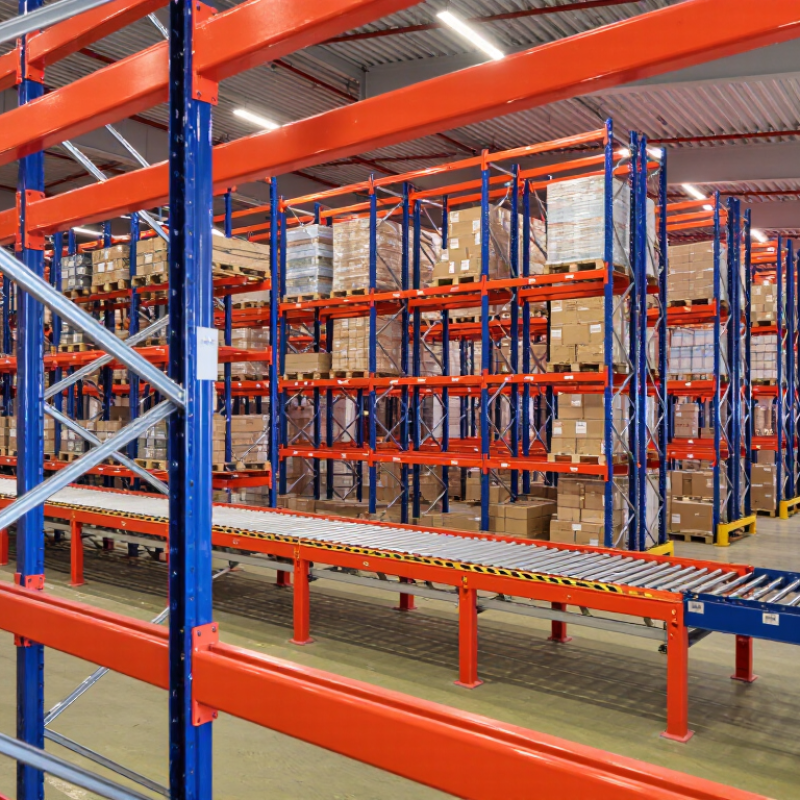
Best Pallet Racking Manufacturers in China?

What Is Pallet Racking and Why Source It from China?

Pallet racking is a steel storage system that holds goods on horizontal beams supported by upright frames. Forklifts place pallets into the bays, while beam height and aisle width shape how safely a warehouse operates. Common designs include selective racks for direct access and drive-in racks for denser storage. The right choice depends on pallet size, load weight, inventory turnover, and available floor space. A few centimetres matter. Poorly matched beams or unclear load ratings can create costly problems, so specifications should be checked before production.

China is a major sourcing option because many manufacturers offer established steel fabrication, multiple rack configurations, and production at scale. Buyers can compare drawings, finishes, packaging, and lead times across suppliers. But a low quote alone proves little. Request material details, load-capacity calculations, weld and coating inspection records, and samples when practical. Confirm whether the quoted price includes export packaging and the accessories shown in the drawings. Ask how changes are handled, too. I would not assume every supplier interprets a pallet size or safety factor the same way; written requirements prevent avoidable confusion. Independent inspection can add confidence, especially for large orders, though it also takes time and budget. Sourcing from China can work well, but communication and verification deserve as much attention as the unit price.

Key Criteria for Choosing a Chinese Pallet Racking Manufacturer

Best Pallet Racking Manufacturers in China?

Key Criteria for Choosing a Chinese Pallet Racking Manufacturer

Choosing a manufacturer starts with engineering, not price. Ask for rack drawings, beam and upright specifications, and load calculations for your actual pallet sizes. Check whether the proposed layout fits your forklifts and aisle widths. Request material certificates, welding and coating inspection records, and a clear quality-control process. A polished brochure is not proof of consistent production.

MHI’s 2024 Annual Industry Report, based on a survey of supply-chain professionals, found that 55% planned to increase technology investment. That trend makes compatibility important: ask whether the rack design can support future changes, such as barcode scanning or automated handling. Also review sample inspection reports, export packaging, production lead times, and references from projects with similar loads. A missed drawing revision may seem small. It can become an expensive installation problem.

Tips: Send the same specifications to every shortlisted supplier. Compare technical responses, not just quotations. Ask for a sample component inspection before shipment, and confirm who handles installation guidance and replacement parts.

Leading Pallet Racking Manufacturers in China

Leading pallet racking manufacturers in China are distinguished by engineering depth, production consistency, and dependable installation support. Buyers should compare more than quoted price. Ask for rack drawings, load calculations, steel specifications, and documented quality checks. Inspect beam connectors and upright welds closely; small variations can complicate assembly. A polished catalogue proves little.

Demand gives this sector a practical backdrop. China’s National Bureau of Statistics reported 15.4 trillion yuan in online retail sales in 2023, up 11 percent year over year. The World Bank’s 2023 Logistics Performance Index placed China 19th among 139 economies. These figures indicate active logistics demand, but they do not rank rack suppliers. That distinction matters.

For a real comparison, request a sample bay and check the fit between beams, frames, and baseplates. Confirm the design matches pallet dimensions, forklift clearances, and the site floor. Details matter. I would also review references from warehouses with similar loads, not just impressive showcase projects. A low bid can still look attractive on paper, and my own checklist may miss installation conditions; a site assessment helps expose those gaps.

Best Pallet Racking Manufacturers in China? - Leading Pallet Racking Manufacturers in China

Evaluation Dimension What to Compare Useful Evidence or Checks
Racking system range Selective pallet rack, double-deep rack, drive-in rack, pallet flow rack, and cantilever rack availability. Product drawings and a layout matched to pallet dimensions, handling equipment, and storage method.
Load-rating information Whether quoted capacities are specified per beam level, beam pair, or bay, and whether they account for the proposed configuration. Project-specific calculations and clearly marked load plaques; do not compare capacity figures without matching rack geometry and assumptions.
Engineering and standards Design approach, applicable local requirements, seismic considerations where relevant, and installation tolerances. Ask which standards apply to the project. Relevant examples include EN 15512 for adjustable pallet racking design and EN 15620 for tolerances, deformations, and clearances.
Materials and finish Steel grade and thickness, coating type, surface preparation, and suitability for the warehouse environment. Material specifications, coating details, and inspection records tied to the quoted products.
Manufacturing quality control Controls for forming, welding, hole positioning, component dimensions, and product identification. Quality procedures, inspection records, traceability information, and a clearly defined process for handling nonconforming parts.
Drawings and project documentation Whether the supplier provides coordinated layouts, component schedules, installation details, and operating information. Review a sample drawing package and confirm that drawings reflect the final site measurements and equipment clearances.
Installation and safety support Installation supervision, anchoring requirements, handover checks, and guidance on inspection and maintenance. Confirm responsibilities in writing. EN 15635 covers the use and maintenance of steel static storage systems.
Export and delivery readiness Packaging, shipping marks, packing lists, export documentation, and delivery terms for the destination market. A project-specific packing plan and confirmation of who is responsible for freight, customs clearance, and unloading.
Commercial comparison Quoted scope, included accessories, packaging, delivery schedule, payment terms, warranty conditions, and exclusions. Compare itemized quotations on the same layout and specification; lead times and prices depend on project scope and market conditions.

Note: Rack capacities, dimensions, lead times, and prices are project-specific and should be confirmed in approved engineering documents and the final quotation.

Pallet Racking Systems and Customization Options

Best Pallet Racking Manufacturers in China?

Pallet racking systems must match the warehouse, not just the product catalogue. An experienced Chinese manufacturer should study pallet dimensions, unit weight, forklift type, aisle width, and storage height before proposing a layout. A suitable supplier connects engineering, fabrication, inspection, and installation guidance.

Good manufacturers usually offer selective racking, drive-in systems, push-back racks, pallet flow racks, and automated storage solutions. Customization may include upright profiles, beam lengths, decking, guide rails, column guards, safety barriers, and corrosion-resistant finishes. Every change should follow a clear load calculation. Small details matter. A 3.6-meter beam and a 4.0-meter beam do not carry the same load.

Warehouse conditions also affect the specification. Cold rooms need suitable coatings and materials. High-turnover operations may require wider aisles or flow lanes. Uneven floors can complicate anchoring and leveling. A cheaper design may look efficient on paper but create awkward loading zones.

Reliable suppliers can provide engineering drawings, material certificates, weld inspection records, and documented load testing. They should explain permissible loads in plain language. Buyers should also verify production quality through factory audits or independent inspections. Photos are not enough.

Even experienced purchasers overlook future growth. Leaving no room for new pallet sizes can make a correct installation feel outdated within a year. A practical design allows adjustment, but excessive flexibility can increase cost and reduce usable space. That balance deserves careful review.

How to Evaluate Quality, Pricing, and Export Support

When evaluating pallet racking manufacturers in China, inspect quality beyond polished catalogs. Ask for steel grade, thickness, welding standards, and load-test records. Sample beams should have even welds, straight profiles, and durable powder coating. Check column holes with calipers, because small spacing errors can complicate installation. Request batch traceability and inspection photos before shipment. A factory tour helps, but it is not absolute proof. Production can change after approval.

Pricing needs a wider lens than the unit quotation. Compare steel weight, accessories, packaging, molds, inland delivery, and export charges. Confirm whether the price uses FOB, CIF, or another agreed term. A cheaper rack may use thinner steel or exclude safety pins. Ask for a detailed bill of materials and a written load calculation. Keep a small budget for replacement parts. I have seen buyers overlook this. The savings disappeared later.

Export support often reveals a manufacturer’s real professionalism. Reliable suppliers provide drawings, installation instructions, packing lists, invoices, and inspection documents. They should explain container loading and protect corners with suitable packaging. Ask how they manage damaged goods, spare parts, and production delays. Clear communication matters when time zones and technical terms create confusion. Request references from similar export projects, not only impressive photographs. Some details will still be imperfect, so record every agreement and review the final samples carefully.

How to Evaluate Pallet Racking Manufacturers in China

Suggested evaluation weights for comparing suppliers. These are a practical buyer’s framework, not survey results or rankings of specific companies.

How to use it: Score each supplier against the same criteria, request supporting documents and itemized quotations, and adjust the weights to suit your project. Verify load calculations, applicable standards, packaging, shipping terms, and after-sales support before ordering.

FAQS

What is pallet racking?

Pallet racking is a steel storage structure. Upright frames support horizontal beams. Forklifts place pallets into open bays.

Which pallet racking system should a warehouse choose?

Selective racks provide direct access to each pallet. Drive-in racks offer denser storage. The choice depends on turnover, weight, space, and pallet size.

What information should buyers provide before requesting a quotation?

Share pallet length, width, height, and weight. Include forklift type, aisle width, storage height, and floor conditions. A few centimetres matter.

Why consider sourcing pallet racking from China?

Many manufacturers offer steel fabrication, different configurations, and large-scale production. Buyers can compare drawings, finishes, packaging, and delivery schedules.

Does the lowest quotation offer the best value?

Not necessarily. Check steel details, load calculations, coatings, weld inspections, packaging, and included accessories. A cheap design may create awkward loading zones.

What customization options are commonly available?

Options include upright profiles, beam lengths, decking, guide rails, column guards, and safety barriers. Corrosion-resistant finishes may suit cold rooms or damp areas.

How can buyers verify manufacturing quality?

Request engineering drawings, material certificates, weld records, and load-testing documents. Factory audits or independent inspections add confidence. Photos are not enough.

What warehouse conditions affect the rack design?

Uneven floors can complicate anchoring and leveling. Cold rooms may need suitable coatings. Busy operations might require wider aisles or flow lanes.

How should buyers plan for future warehouse growth?

Leave room for new pallet sizes and changing storage needs. Adjustable designs help, but too much flexibility can waste usable space. I might underestimate future changes.

Conclusion

This article explores what Pallet Racking is and why businesses may consider sourcing it from China, including the potential for broad product selection, flexible customization, and competitive pricing. It outlines the key factors to assess when choosing a manufacturer, such as production capabilities, material specifications, design expertise, quality-control practices, communication, and export support. Readers will also learn how to compare suppliers using consistent, project-specific requirements rather than price alone.

The guide reviews common Pallet Racking systems and customization options for different storage layouts and operational needs. It explains how to evaluate product quality, request clear quotations, confirm packaging and shipping arrangements, and assess a supplier’s ability to support a project from initial planning through delivery. Together, these considerations can help buyers make informed sourcing decisions and select a suitable manufacturer for their warehouse requirements.

Rosalie

Rosalie

Rosalie is a professional marketing specialist dedicated to helping businesses understand products, markets, and customer needs through clear, practical, and insightful communication. With extensive knowledge of the company’s product portfolio, she transforms complex features, technical details,......