0%

Choosing the right Adjustable Pallet Racking in China is not simply a price comparison. It is a warehouse planning decision that affects safety, picking speed, storage density, and future expansion. A rack may look strong in a product photograph, yet perform poorly when loaded unevenly or installed on an unsuitable floor. The details matter.

This guide explains how experienced warehouse managers evaluate Chinese suppliers, designs, and quotations. We examine upright profiles, beam sizes, connection systems, load capacity, aisle width, forklift clearance, and surface protection. We also consider whether the supplier provides tested specifications, clear drawings, traceable materials, and installation guidance. A reliable manufacturer should ask about pallet dimensions, unit weights, seismic conditions, and daily handling patterns before recommending a configuration. If nobody asks, be cautious.

Factory assessment adds another practical layer. Buyers can review welding consistency, powder-coating coverage, packaging methods, quality records, and production control. Independent inspection may help verify dimensions and coating thickness before shipment. However, inspection cannot repair a weak design. Engineering review still matters.

There is no universal “best” Adjustable Pallet Racking system. The right choice depends on your building, inventory, equipment, budget, and growth plans. A low quotation can become expensive after modifications, delays, or damaged goods. Some assumptions may also prove wrong after installation. Leave room for correction. Compare complete solutions, not isolated steel components, and request written performance details before placing an order. With careful questions and evidence-based evaluation, sourcing from China can become a controlled, practical investment rather than a gamble.
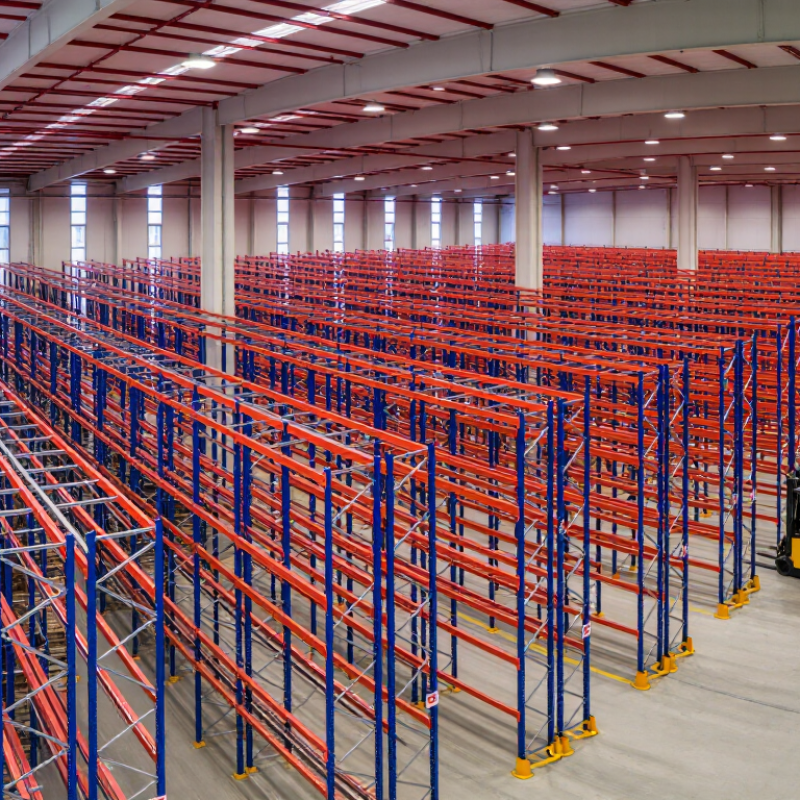
How to Choose the Best Adjustable Pallet Racking in China?

Understanding Adjustable Pallet Racking Systems in China

How to Choose the Best Adjustable Pallet Racking in China?

Understanding adjustable pallet racking systems starts with warehouse reality. These racks use upright frames, horizontal beams, and adjustable levels. Operators can change beam heights for different pallet sizes. This flexibility suits warehouses storing mixed cartons, machinery, or seasonal inventory.

Measure twice. A site survey should record clear height, aisle width, floor condition, and forklift turning space. In Chinese warehouses, floor flatness can vary between older buildings and new facilities. Uneven flooring may affect frame alignment and installation quality. Check the intended load per pallet, not only the total bay capacity. Load labels should remain visible after installation.

A reliable selection also considers steel thickness, beam connections, frame bracing, and corrosion protection. Ask for structural calculations, material certificates, and installation records. Local engineering guidance and applicable Chinese safety requirements should be reviewed before approval. One overlooked detail is forklift impact. Guardrails, column protectors, and clear aisle markings can reduce everyday damage. They add cost, but replacing bent uprights costs more.

Adjustability has limits. Moving beams too often can damage locking components if workers use improper tools. Training should cover loading patterns, inspection routines, and safe forklift speeds. Monthly checks are useful, although high-traffic sites may need weekly inspections. In practice, the cheapest quotation is not always the most dependable choice. A slightly stronger system may provide better service life, but only after the floor and handling equipment are properly assessed.

Assessing Warehouse Storage Needs and Racking Specifications

How to Choose the Best Adjustable Pallet Racking in China?

A suitable racking system begins with accurate warehouse data. Measure pallet length, width, height, and actual load weight. Do not rely on estimates. Record the number of pallets, SKU variety, turnover rate, and seasonal changes. These details determine bay width, beam levels, and storage density.

Check the building height, floor condition, column positions, aisle width, and forklift turning radius. A narrow aisle may increase capacity, but it can slow daily operations. Adjustable pallet racking should also match pallet entry direction and loading frequency. Ask suppliers for load calculations, steel specifications, installation drawings, and inspection records. Confirm that each level has a visible load rating. Local site conditions in China may also require attention to humidity, temperature, and seismic considerations. The right choice is not always the densest one.

Tips: Leave enough clearance above every pallet. Test the heaviest real pallet, not an ideal sample. Inspect upright frames, beams, and connectors regularly. Keep damaged parts out of service. A practical mistake is designing only for today’s inventory. Storage patterns change, and an apparently perfect layout may become restrictive within a year. Review the plan with warehouse operators before ordering. Their daily experience often exposes problems that drawings miss.

Comparing Materials, Designs, and Load Capacity Options

How to Choose the Best Adjustable Pallet Racking in China?

Choosing adjustable pallet racking in China starts with material quality, not appearance. Cold-formed steel suits lighter loads and offers efficient material use. Hot-rolled steel usually handles heavier applications and repeated forklift impact better. Check steel thickness, weld quality, surface coating, and corrosion protection. Galvanized finishes can help in humid warehouses, though they may increase costs.

Design must match your operating habits. Selective racking gives direct access to every pallet and supports frequent stock rotation. Double-deep designs improve storage density but require compatible handling equipment. Narrow-aisle layouts save floor space, yet they demand accurate forklift control and smoother floors. I have seen layouts look efficient on paper but slow down daily picking. That mistake is expensive.

Load capacity needs careful verification. Ask for the maximum load per level and per bay, not one general figure. Consider pallet weight, beam span, upright height, forklift impact, and uneven loading. A qualified engineer should check the floor slab and anchoring arrangement. Request drawings, test records, installation instructions, and inspection procedures. These documents reveal whether the supplier understands real warehouse conditions. Labels matter too. Workers need clear capacity signs at eye level. Small details prevent large failures. I would also leave a practical margin above the expected load, because inventory rarely stays perfectly consistent.

How to Choose the Best Adjustable Pallet Racking in China?

Comparing common adjustable pallet-racking designs by indicative rated load capacity per beam level. Actual capacity depends on steel grade, upright and beam dimensions, shelf height, anchoring, floor conditions, and engineering calculations.

Selection guide: Light-duty systems are suitable for cartons and lower-density storage. Medium-duty systems balance flexibility and cost for general pallet warehousing. Heavy-duty and double-deep systems provide higher capacity but require stronger components, accurate installation, and suitable material-handling equipment.

Checking Chinese Manufacturers, Quality Standards, and Certifications

How to Choose the Best Adjustable Pallet Racking in China?

Selecting an adjustable pallet rack in China requires more than comparing prices. Start by checking the manufacturer’s production experience, engineering team, and completed warehouse projects. Ask for photographs showing upright frames, beam connections, and finished powder coating. Better still, request a sample bay for inspection.

Quality standards deserve careful attention. Confirm whether the design follows recognized requirements such as EN 15512, FEM guidance, ANSI/RMI standards, or applicable Chinese standards. The supplier should provide load calculations for each beam level. These calculations must match your pallet weight, aisle width, and floor condition. A load plaque should be fixed clearly to every rack area. Small details matter.

Certifications need verification, not just colorful files. Check the certificate number, issuing organization, validity period, and product scope. ISO 9001 can indicate controlled processes, but it does not prove that one rack design is safe. Request welding inspection records, steel test reports, coating thickness results, and packaging photographs. Visit the factory when possible. Look at raw steel storage and measure beam dimensions yourself. I have found that polished samples can hide inconsistent welding. That risk deserves direct questions.

Ask how the manufacturer handles design changes, damaged parts, and installation guidance. Written answers are useful. Independent inspection may be worthwhile for large orders. Even experienced buyers can overlook floor capacity or forklift impact protection. A reliable supplier will discuss these weaknesses instead of promising perfection.

Evaluating Prices, Installation Services, and Long-Term Value

How to Choose the Best Adjustable Pallet Racking in China?

Price is important, but the cheapest quotation can hide major costs. Compare steel grade, beam capacity, frame height, coating quality, packaging, freight, and installation fees. Ask for a clear quotation with every component listed. A reliable supplier should provide load tables, technical drawings, and realistic production times. In warehouse assessments, I pay close attention to floor conditions. Uneven concrete may require extra leveling work. That cost is easy to miss.

Installation service strongly affects safety and operating speed. Confirm whether the team performs a site survey before delivery. Experienced installers should check aisle widths, rack alignment, anchor positions, and required clearances. Request installation records, torque checks, and a handover inspection. Worker training also matters. A rack may look straight but still need correction. One overlooked detail can become an expensive problem.

Long-term value depends on flexibility and maintenance. Adjustable beams should match changing pallet sizes without major reconstruction. Check whether replacement parts are easy to source and whether damaged components can be identified quickly. Consider corrosion resistance in humid warehouses. Ask about inspection schedules and response times for technical support. A five-year cost comparison is useful, including repairs, downtime, expansion, and labor. My own evaluation once focused too heavily on the purchase price. It missed the cost of delayed installation. That was a useful mistake.

Look beyond the first invoice.

FAQS

What should I measure before choosing adjustable pallet racking?

Record clear height, aisle width, floor condition, forklift turning space, and pallet sizes. Measure twice. Uneven floors can affect rack alignment.

How can I verify a rack’s load capacity?

Check the rated load per level and per bay. Consider pallet weight, beam span, upright height, and uneven loading. Keep capacity labels visible.

Which steel type suits my warehouse?

Cold-formed steel often suits lighter loads. Hot-rolled steel can handle heavier loads and repeated forklift impacts. Compare thickness, weld quality, and coating.

Which rack layout works best for different operations?

Selective racking gives direct access to every pallet. Double-deep layouts increase storage density but need compatible handling equipment. Narrow aisles save space, though forklift control must be precise.

What documents should I request before approving a system?

Ask for drawings, structural calculations, material certificates, load tables, installation instructions, and inspection records. Documents help, but they cannot replace a proper site check.

What should installation teams check?

They should verify aisle widths, rack alignment, anchor positions, and clearances. Request installation records and a handover inspection. A rack can look straight and still need correction.

How often should adjustable pallet racking be inspected?

Monthly checks can suit many warehouses. High-traffic sites may need weekly inspections. Check for bent uprights, loose connections, and damaged locking components.

How should I compare quotations and long-term costs?

Compare steel, capacity, coating, freight, installation, repairs, and downtime. A five-year cost estimate can reveal hidden expenses. I once focused too much on the first invoice. I missed installation delays.

Conclusion

Choosing the best Adjustable Pallet Racking in China starts with understanding how the system supports efficient warehouse organization, accessibility, and future expansion. Begin by evaluating your storage needs, including warehouse size, pallet dimensions, product turnover, aisle width, and required load capacity. These factors will help determine the most suitable rack height, beam levels, layout, and configuration for safe and practical operations.

Next, compare the materials, structural designs, surface treatments, and weight-bearing options available from Chinese manufacturers. Pay close attention to manufacturing quality, testing procedures, safety standards, and relevant certifications. Price should be considered together with installation support, delivery arrangements, maintenance requirements, durability, and the possibility of adding more sections later. A reliable solution is not always the cheapest option; it should provide stable performance, easy access, strong safety protection, and long-term value. By carefully balancing specifications, quality, service, and total ownership costs, warehouse operators can select a racking system that improves space utilization and supports sustainable operational efficiency.

Clara

Clara

Clara is a professional marketing specialist dedicated to helping businesses better understand and apply innovative product solutions. With extensive experience in market research, content strategy, customer communication, and digital marketing, she brings a practical and insightful perspective to......