ApexDriveRACKING
Factory Heavy-Duty Equipment
Featured Cold Storage & High-Density Racking Systems
Engineered specifically for sub-zero temperature environments ranging from -25°C to -40°C. Our industrial storage racks utilize low-temperature resistant structural steel, certified hot-dip galvanizing, and automated shuttle integration.
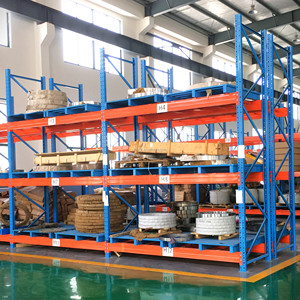
OEM Wholesale Heavy Duty Customized Cold Storage Pallet Racking System
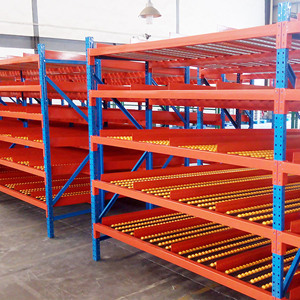
Metal Storage Carton Flow Shelves for Industrial Warehouse Roller Picking
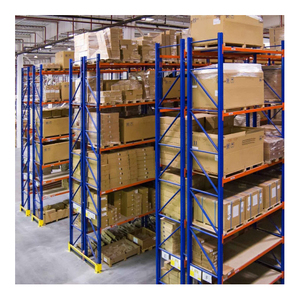
CE Certified Heavy Duty Stacking Racks Selective Pallet Racking System
Intelligent AS/RS Automated High-Bay Cold Storage Warehouse System
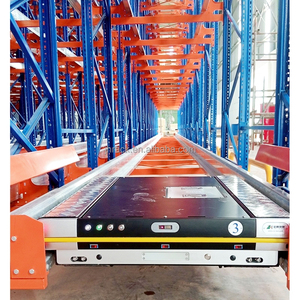
Customized Galvanized High-Density Radio Shuttle Pallet Racking System
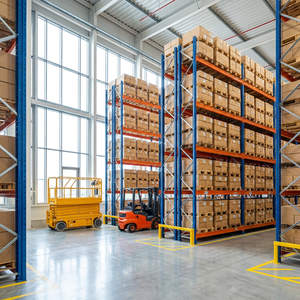
Multi-Level Pallet Rack & Mezzanine Industrial Racking Infrastructure
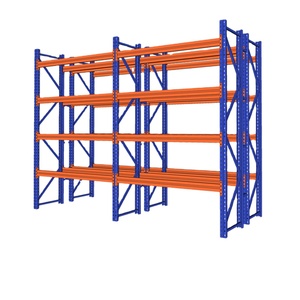
Heavy Duty Beam Storage Rack System for Industrial Freezers
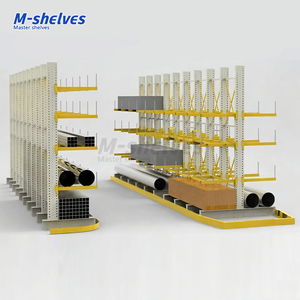
Side Loading Anti-Rust Galvanized Cantilever Racking System for Pipes
20,000 m²
Advanced Manufacturing Base
30,000 Tons
Annual Steel Production
6,000+
Global Projects Installed
-40°C Rated
Low-Temp Steel Performance
Technical Whitepaper Insight
Cold Storage Pallet Racking Engineering: Metallurgy & Structural Integrity in Sub-Zero Climates
Designing warehouse racking for sub-zero temperatures (ranging from 0°C to -40°C) introduces structural physics challenges completely distinct from standard ambient warehouses. In cold chain logistics—spanning refrigerated distribution hubs, deep-freeze meat processing plants, and pharmaceutical blast freezers—operating costs are dominated by electrical power consumed to maintain low thermal states. Consequently, cold storage infrastructure demands two imperative benchmarks: maximum floor volumetric efficiency and zero structural brittle failure under thermal contraction stress.
1. Low-Temperature Steel Selection & Ductile-to-Brittle Transition
Standard carbon steel (such as generic commercial Q235 steel) undergoes a physical transformation known as the Ductile-to-Brittle Transition Temperature (DBTT) when subjected to sub-zero environments. As ambient temperature drops, steel loses impact toughness, shifting from ductile yield behavior to catastrophic sudden cleavage fracture under dynamic forklift impact.
To guarantee operational safety in cold chain facilities, certified manufacturers utilize Q235B, Q355B, and high-tensile Q355D micro-alloyed structural steel supplied directly by prime tier-1 steel mills (such as Baosteel, Masteel, and Wuhan Iron and Steel). Q355D steel undergoes strict Charpy V-notch impact testing at -20°C to -40°C, absorbing a minimum energy threshold of 34 Joules. This metallurgic control ensures upright columns and load beams maintain elasticity even when struck by material handling equipment in deep-freeze environments.
2. Surface Anti-Corrosion Protection: Hot-Dip Galvanizing vs. Electrostatic Powder Coating
Cold storage racking systems experience intense humidity fluctuations during loading cycles, defrosting periods, and condensation dew points. When warm ambient air enters through dock doors, moisture condenses on steel surfaces. If unprotected, micro-fissures in paint coatings trap moisture, initiating accelerated subsurface oxidation that erodes structural load margins.
- Hot-Dip Galvanizing (HDG) per ISO 1461 Standards: For deep-freeze environments (-18°C to -40°C) with continuous moisture exposure, HDG provides absolute protection. The roll-formed steel components are submerged in molten zinc at 450°C, forming a metallurgically bonded zinc-iron alloy layer (minimum 65–85 μm thickness). This provides self-healing sacrificial cathodic protection against scratches and rust.
- Automatic Electrostatic Powder Coating: For chilled areas (0°C to +4°C) with low relative humidity, steel components pass through a 10-stage automated pretreatment process (degreasing, rust removal, and zinc phosphating) followed by electrostatic powder deposition and high-temperature curing at 180°C on a 220-meter continuous line using Swiss Gema spraying equipment.
Manufacturing Excellence
Why Direct Importers & Enterprise Logistics Operators Choose ApexDrive Industrial Racking
Established in September 2006 in Nanjing, China, ApexDrive Industrial Racking Co., Ltd. operates a specialized 20,000 m² heavy-industrial manufacturing facility engineered to supply turnkey storage infrastructure for global warehouse operations.
Certified Mill Traceability
Structural profiles are roll-formed exclusively from Q235B and Q355B coil steel sourced from Baosteel and Masteel. Every production batch includes verified mill test certificates detailing chemical heat analysis and mechanical tensile performance.
German Roll-Forming Precision
Equipped with over 150 sets of advanced machinery, our German-engineered continuous roll-forming lines achieve structural upright lengths up to 12 meters in a single continuous profile with cumulative hole-pitch tolerances constrained within ±2 mm.
Robotic Welding Consistency
Beam connectors and load-bearing bracket assemblies are welded using high-precision robotic welding manipulators. This process guarantees 100% full seam penetration, eliminating weld porosity and joint weakness inherent in manual welding.
ISO 9001 & CE Certification
All storage systems meet international safety and quality standards. Certified by ISO 9001:2015 for quality management and holding full European CE compliance certificates for structural steel racking systems.
Pre-Shipment Trial Assembly
Before export packaging, sample components undergo physical trial assembly in our plant to verify connector engagement, safety lock functionality, beam deflection ratios (L/300 standard), and surface coating thickness compliance.
Heavy Export Packaging
Racking uprights and beam bundles are bound with multi-tier high-tension steel strapping and protective edge corner guards. Small hardware items are packed into heavy-duty cartons mounted on sea-worthy plywood pallets.
Global Market Analysis
Top 10 Cold Storage Pallet Racking Suppliers & Engineering Matrix
When selecting a cold storage pallet racking manufacturer, supply chain directors must evaluate structural engineering capability, volumetric storage density efficiency, automation integration readiness, and direct manufacturer cost structure. Below is a comparative technical matrix analyzing the primary industrial pallet racking configurations used in global cold storage facilities:
| Racking System Type | Volumetric Density | Pallet Access (Selectivity) | Cold Room ROI Factor | Automation Compatibility | Ideal Storage Application |
|---|---|---|---|---|---|
| Radio Shuttle Racking | Very High (up to 85%) | LIFO or FIFO (Lane-based) | Maximum energy savings per pallet | Semi-Automated (Radio Shuttle + Forklift) | High-volume cold chain, food & beverage SKU distribution |
| AS/RS High-Bay Racking | Extreme (up to 92%) | 100% Automated Access | Highest return on floor footprints over 15m height | Fully Automated (Stacker Cranes + WMS) | Large-scale automated cold distribution centers |
| Drive-In Racking System | High (70% - 75%) | LIFO Only | Moderate (High risk of forklift rack damage) | Manual Forklift Entry Required | Low SKU count, bulk seasonal frozen inventories |
| VNA (Very Narrow Aisle) Racking | Medium-High (65%) | 100% Direct Selectivity | Moderate (Reduces aisle width to 1.6m) | Semi-Automated (Guided Turret Trucks) | High-SKU pharmaceutical cold storage facilities |
| Selective Pallet Racking | Standard (40% - 50%) | 100% Direct Selectivity | Low in deep-freeze; High energy loss per unit | Manual Reach Trucks | Staging areas, chilled pick lines (0°C to +4°C) |
Industry Forecast 2025-2030
Future Procurement & Technology Trends in Cold Storage Racking
1. Rapid Acceleration Toward Radio Shuttle & AS/RS Automation
Global energy price volatility and rising labor costs inside sub-zero environments are driving warehouse operators away from traditional selective racking and manual drive-in systems. Industrial procurement is heavily shifting toward Radio Shuttle systems and automated AS/RS stacker crane racking. By eliminating internal forklift aisles, shuttle systems reduce refrigerated building volume requirements by up to 40% for the same pallet capacity, drastically cutting refrigeration compressor power consumption.
2. Lithium-Titanate (LTO) & Sub-Zero Shuttle Battery Evolution
Historical cold storage shuttle racks suffered from rapid lead-acid and standard lithium-ion battery degradation in -25°C climates. Next-generation procurement specs require radio shuttles powered by Lithium-Titanate (LTO) or specialized heated lithium battery packs capable of operating continuously in -30°C environments without voltage drops or thermal runaway during fast charging cycles inside the freezer.
3. Rack-Supported Building Architecture (Clad-Rack Systems)
Major cold storage logistics developments are increasingly utilizing Clad-Rack (Rack-Supported) construction. Instead of erecting an isolated building envelope and installing racking inside, the heavy-duty structural steel racking itself forms the load-bearing skeleton that supports the warehouse wall insulated sandwich panels and roof structures. This approach eliminates building columns, speeds up construction timelines by 30%, and optimizes thermal insulation barrier continuity.
4. Hot-Dip Galvanized Modular Standardization
Overseas buyers and procurement managers are prioritizing modular, fully-bolted cold storage racking systems manufactured with hot-dip galvanized components. Bolted structural framing allows easy replacement of lower upright columns in case of forklift impact without cutting or welding, while HDG finishes prevent structural rust during routine thermal washdowns and defrost cycles.
Procurement FAQ
Cold Storage Pallet Racking Procurement FAQ
Technical queries answered by our senior storage engineers to assist purchasing officers, project managers, and logistics architects.
What essential data is required to engineer a cold storage racking layout?
To prepare an optimized CAD drawing and structural load calculation report, our engineering team requires: (1) Building architectural CAD drawings showing clear ceiling height, column spacing, floor slab thickness, door locations, and cooler unit blowers; (2) Pallet dimensions (Length x Width x Height including cargo); (3) Maximum load weight per pallet; (4) Total SKU count and required pallet capacity; (5) Forklift model, turning radius, and maximum reach height; (6) Inventory flow requirement (FIFO or LIFO) and operating room temperature range.
Why is Q355B or Q355D steel preferred over standard Q235 steel for deep-freeze storage?
Standard Q235 steel can become brittle at sub-zero temperatures (below -15°C), significantly reducing its resistance to dynamic impact. Q355B and Q355D are low-alloy, high-strength structural steels with elevated yield strengths (355 MPa vs 235 MPa) and certified impact toughness at low temperatures (Q355D is impact tested at -20°C to -40°C). Using Q355 steel allows thinner wall profiles with higher load capacities while mitigating brittle fracture risks in cold chain environments.
Is hot-dip galvanizing necessary, or is powder coating sufficient for cold rooms?
For dry chilled rooms (0°C to +4°C) with controlled humidity, high-quality electrostatic powder coating cured at 180°C provides excellent performance and cost efficiency. However, for deep-freeze facilities (-18°C to -30°C) subject to humidity condensation, ice buildup, and frequent defrosting, Hot-Dip Galvanizing (HDG per ISO 1461) is strongly recommended. HDG provides a thick, sacrificial zinc-iron alloy coating inside and outside tubular profiles, protecting the racking infrastructure from corrosion for decades.
How does a Radio Shuttle Pallet System perform inside -25°C blast freezers?
Radio shuttle cars designed for cold storage feature specialized low-temperature components, including cold-resistant hydraulic fluids, IP65 sealed electronics, anti-condensation internal heating circuits, and sub-zero rated lithium-iron-phosphate or lithium-titanate batteries. The shuttle operates inside deep racking channels up to 40 meters long, carrying pallets automatically via wireless remote control or WMS interface, eliminating the need for forklifts to enter freezing cold lanes.
What international certifications and quality inspections accompany export racking orders?
All ApexDrive racking shipments include comprehensive quality documentation: ISO 9001:2015 quality system compliance, European CE structural steel certification, steel mill material test reports (MTRs) detailing chemical heat analysis, powder coating thickness test reports, load beam deflection calculation sheets (L/300 standard), and full English installation drawings and assembly manuals.
How are heavy racking components packaged to prevent damage during ocean transit?
Upright frames and beams are bundled with multi-tier heavy-duty steel strapping and protected with structural corner protectors. Small structural accessories, baseplates, row spacers, safety pins, and grade 8.8 high-strength bolts are packed in heavy cardboard cartons securely strapped onto export plywood pallets. This packaging standard protects surface coatings during shipping and facilitates fast container unloading and site sorting.
Request a Custom Cold Storage Layout & Factory Quote
Planning a new cold storage warehouse or upgrading existing high-density pallet racking? Speak directly with our senior logistics structural engineers for free CAD layout design, structural load calculations, and factory-direct pricing.