1. The Convergence of WMS, WCS, and WES Architecture
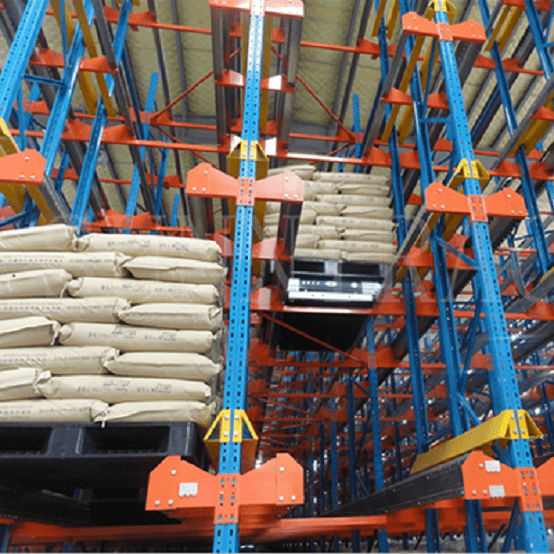
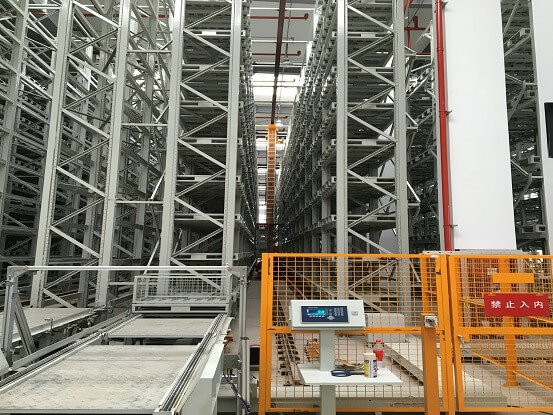
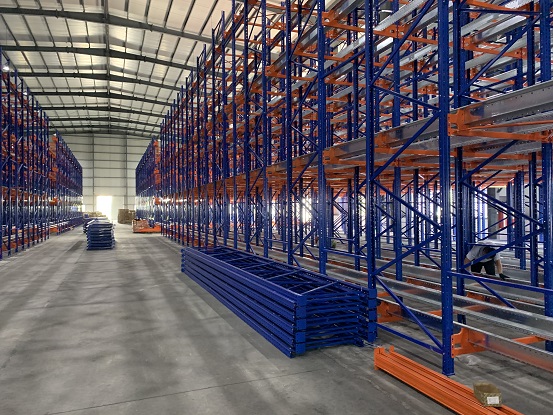
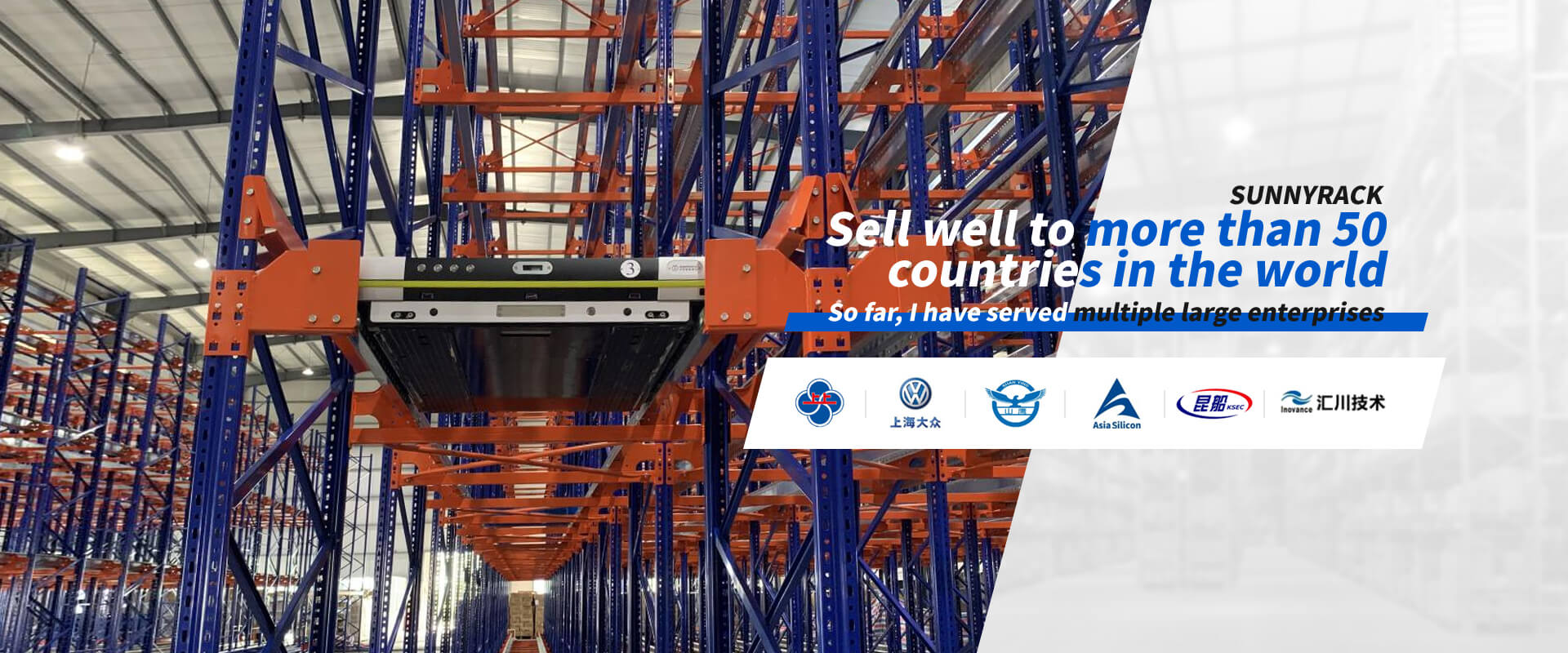
Historically, enterprises purchased a Warehouse Management System (WMS) for inventory bookkeeping, a Warehouse Control System (WCS) for conveyor and stacker crane PLCs, and a Warehouse Execution System (WES) for order orchestration. The global market is rapidly shifting toward unified WMS/WES platforms. This convergence allows real-time dynamic re-routing of tasks based on physical racking sensors. For instance, if an AS/RS aisle experiences temporary mechanical maintenance, the WMS dynamically redirects inbound pallets to adjacent radio shuttle lanes without human intervention.
2. AI-Driven Dynamic Slotting & Heat-Map Space Optimization
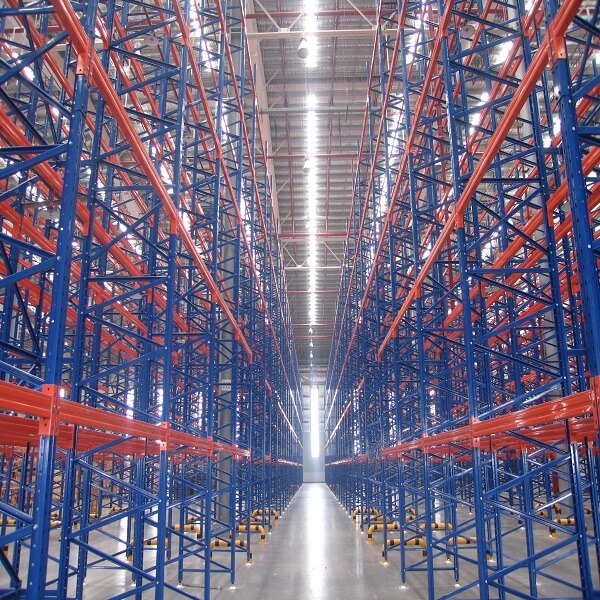
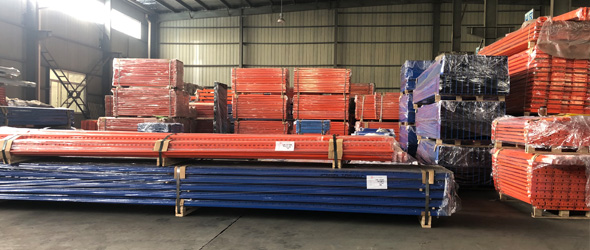
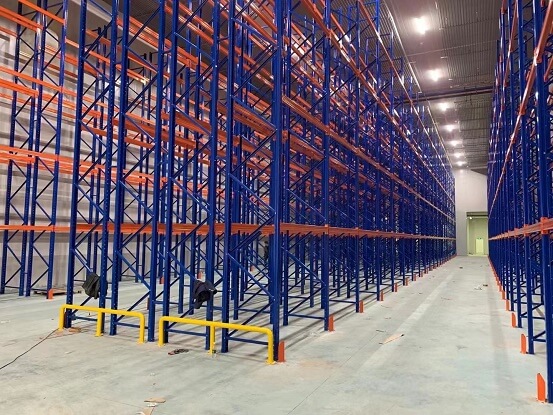
Static location assignment is officially obsolete. Modern WMS software utilizes predictive machine learning to continuously analyze order history, seasonality, and SKU velocity. The WMS automatically re-slots high-frequency "Class A" inventory closer to picking tunnels and lower racks, reducing forklift travel distance by up to 35%. To support this dynamic re-slotting, physical selective racking systems must feature flexible, bolted beam connectors that allow quick vertical level adjustments without structural disassembly.
3. Transition to Cloud-Native SaaS WMS with Edge Computing PLCs
Global procurement teams are prioritizing Cloud SaaS WMS solutions for low capital expenditure and instant multi-site deployment. However, to prevent latency delays when managing ultra-fast automated equipment (such as stacker cranes traveling at 240 m/min), smart warehouses deploy Edge Computing Gateway PLCs at the racking structure level. The cloud WMS transmits high-level business rules, while local edge devices execute sub-millimeter motion control directly on the steel framework.
4. ESG Compliance, Steel Decarbonization, and Energy-Efficient Storage
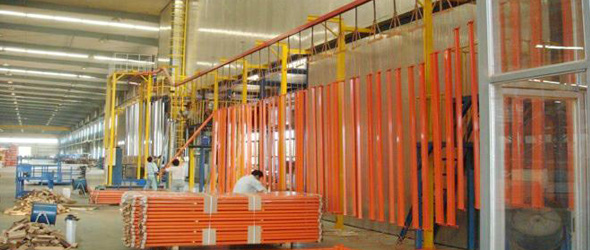
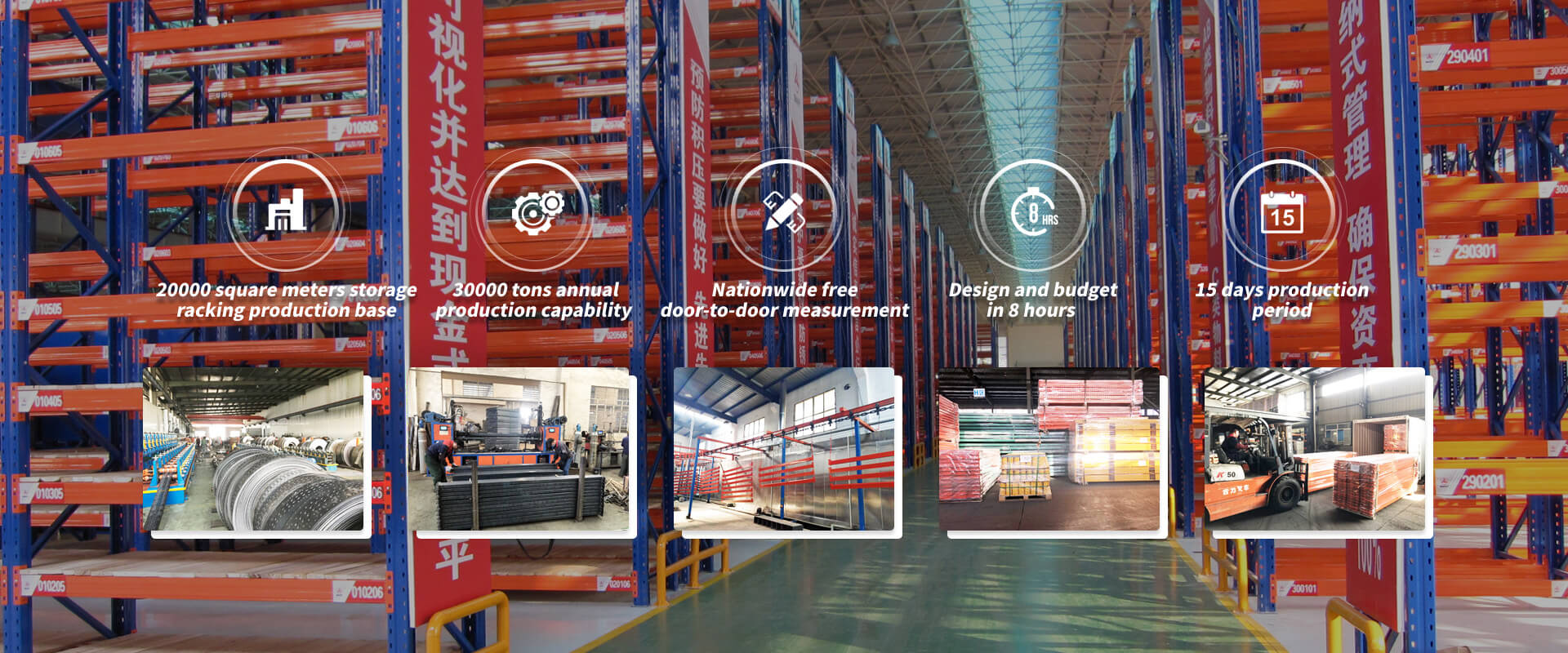
Corporate sustainability mandates now scrutinize supply chain carbon footprints. In cold storage logistics (-25°C), cooling an empty cubic meter of air incurs immense electrical costs. WMS-integrated high-density Radio Shuttle and AS/RS systems compress storage footprints by up to 80% compared to traditional selective racking, significantly decreasing refrigeration energy consumption. Furthermore, ApexDrive Industrial Racking Co., Ltd. supports ESG goals by utilizing recycled high-tensile steel alloys and low-VOC powder coating lines cured on energy-efficient 220-meter automated loops.
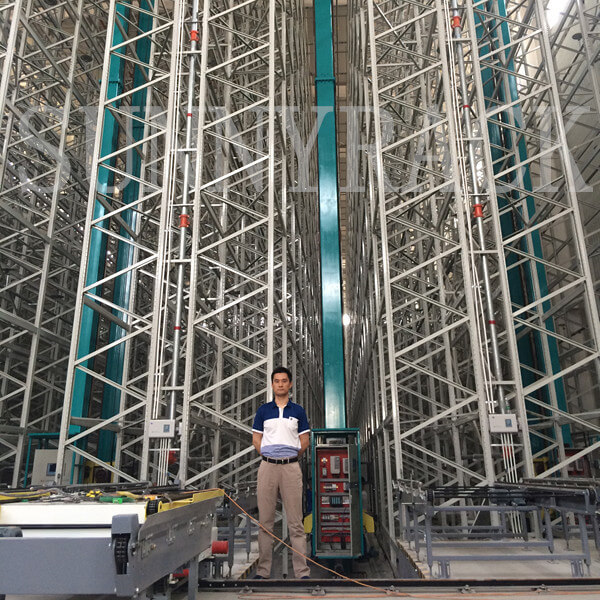 AS/RS Automated